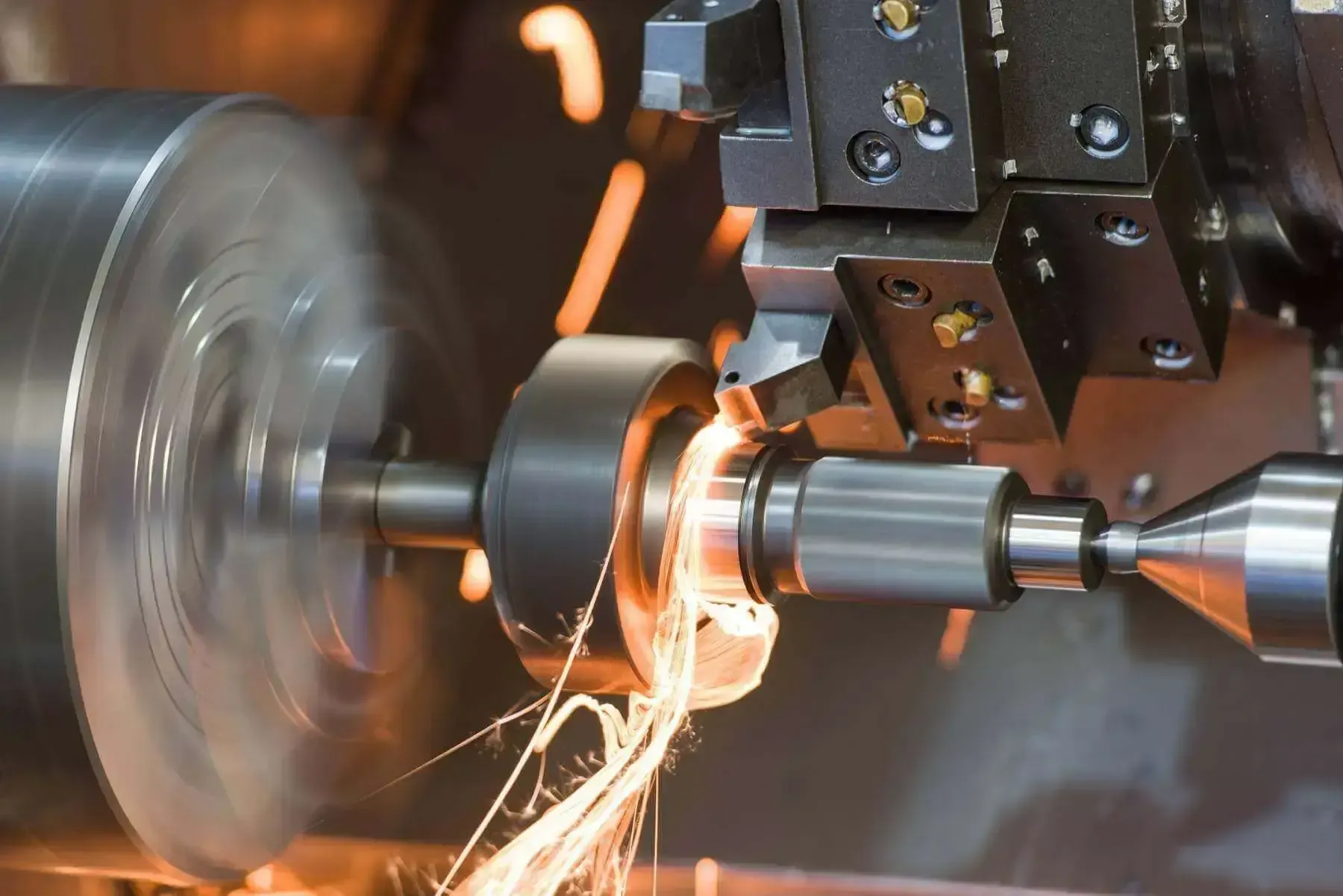
7 Critical Mistakes That Destroy Inconel Components During Machining (And How US Manufacturers Are Fixing Them)
Inconel’s exceptional performance in extreme environments makes it indispensable for aerospace, energy, and chemical processing applications. However, this same combination of properties that provides superior corrosion resistance and high-temperature strength also creates significant machining challenges. When manufacturers fail to account for Inconel’s unique characteristics, the results extend beyond scrapped parts to include damaged tooling, production delays, and compromised component integrity that can affect downstream operations.
The cost implications reach beyond material waste. Inconel’s high material value means each failed component represents substantial financial loss, while the specialized tooling required for successful machining multiplies the economic impact of poor practices. Understanding where machining processes typically fail provides manufacturers with the foundation needed to establish reliable, repeatable production workflows.
Tool Selection Errors That Compound Machining Problems
Inconel’s work-hardening characteristics and heat retention properties demand specific tooling approaches that differ significantly from standard steel machining practices. Many manufacturers underestimate how quickly inappropriate tool selection creates cascading problems throughout the machining process. Professional inconel machining services recognize that tool material, geometry, and coating selection directly influence both part quality and production efficiency.
Carbide tools without appropriate coatings fail rapidly when exposed to Inconel’s abrasive nature and high cutting temperatures. The material’s tendency to adhere to cutting edges creates built-up edge formation, which leads to poor surface finish and dimensional inaccuracies. Ceramic and cermet tools, while offering superior heat resistance, require careful consideration of machine rigidity and cutting parameters to prevent chipping or catastrophic failure.
Coating and Geometry Considerations
Tool coatings play a critical role in managing the heat and chemical reactions that occur during Inconel machining. Titanium aluminum nitride and aluminum chromium nitride coatings provide the thermal barrier and chemical stability needed to maintain cutting edge integrity. However, coating selection must align with specific machining operations and cutting conditions to deliver expected performance.
Cutting edge geometry affects chip formation and heat dissipation in ways that become particularly pronounced with Inconel alloys. Sharp cutting edges reduce cutting forces but may lack the strength needed for interrupted cuts or high feed rates. Conversely, heavily honed edges increase cutting forces and heat generation while providing greater edge strength for demanding applications.
Material Grade Matching
Different Inconel grades present varying levels of machinability challenges. Inconel 718’s precipitation-hardened structure creates different cutting dynamics compared to solution-annealed Inconel 625. Tool selection strategies that work effectively for one grade may produce poor results or accelerated wear when applied to another, making grade-specific tooling protocols essential for consistent results.
Cutting Speed Miscalculations and Their Downstream Effects
Cutting speed selection for Inconel requires balancing competing factors that don’t exist in conventional steel machining. Excessive speeds generate heat that accelerates work hardening and tool wear, while insufficient speeds can cause work hardening through plastic deformation without effective chip removal. This balance becomes more critical as part complexity and tolerance requirements increase.
Heat generation during Inconel machining occurs not just at the cutting edge but throughout the cutting zone due to the material’s low thermal conductivity. This heat retention creates a cumulative effect where each successive cut encounters material that has been thermally affected by previous operations. The result is progressive deterioration in surface quality and dimensional accuracy unless cutting speeds account for this thermal accumulation.
Surface Speed Versus Material Response
The relationship between cutting speed and material response in Inconel differs from predictable patterns seen in other alloys. Higher speeds may initially appear to improve surface finish by reducing built-up edge formation, but the increased heat generation eventually triggers rapid work hardening that overwhelms any initial benefits. Understanding this transition point requires consideration of part geometry, toolpath strategy, and cooling effectiveness.
Production environments often pressure operators to increase cutting speeds to meet schedule demands. However, the non-linear relationship between speed and tool life in Inconel machining means that seemingly modest speed increases can produce disproportionate reductions in tool life and part quality, ultimately reducing rather than improving production efficiency.
Adaptive Speed Strategies
Successful Inconel machining often requires variable cutting speeds within a single operation to account for changing cutting conditions. Entry cuts, full engagement periods, and exit moves each present different thermal and mechanical demands that benefit from speed adjustments. Fixed cutting speeds rarely optimize performance across all phases of complex machining operations.
Inadequate Cooling and Lubrication Systems
Conventional flood coolant systems often prove insufficient for Inconel machining due to the material’s poor thermal conductivity and the intensity of heat generation at the cutting zone. The coolant’s primary function shifts from temperature control to heat removal, requiring delivery methods that ensure adequate flow and pressure at the point of cutting. According to research on superalloy properties, Inconel’s thermal characteristics make effective cooling strategies essential for maintaining workpiece integrity.
High-pressure coolant systems and through-spindle delivery methods provide more effective heat management by delivering coolant directly to the cutting zone. However, these systems require careful setup and maintenance to prevent coolant-related problems such as workpiece distortion from thermal shock or chip evacuation issues that can damage finished surfaces.
Coolant Chemistry and Concentration
Coolant chemistry becomes more critical in Inconel machining due to the material’s chemical reactivity and the extreme conditions present at the cutting interface. Synthetic coolants with enhanced lubricity and thermal stability maintain their properties under the high temperatures and pressures encountered during machining. Concentration levels must be monitored more closely than in conventional applications to prevent degradation that reduces cooling effectiveness.
Chemical compatibility between coolant and Inconel requires consideration of long-term effects on material properties. Some coolant chemistries can cause surface contamination or stress corrosion issues that become apparent only after extended exposure or during subsequent processing steps.
Mist and Minimum Quantity Lubrication Challenges
Minimum quantity lubrication systems offer advantages in certain Inconel machining applications by providing precise coolant delivery without flood cooling complications. However, these systems require careful parameter optimization to ensure adequate cooling while maintaining the lubrication benefits that reduce tool wear and improve surface finish.
Workholding Inadequacy Under High Cutting Forces
Inconel machining generates significantly higher cutting forces than comparable operations in steel or aluminum, placing greater demands on workholding systems. Inadequate clamping or poor fixture design allows workpiece movement that creates dimensional inaccuracies, surface quality problems, and potential safety hazards. The material’s work-hardening characteristics mean that any workpiece movement during cutting can create permanently hardened areas that affect subsequent machining operations.
Workholding systems must accommodate the thermal expansion that occurs during Inconel machining while maintaining consistent clamping forces. Temperature variations throughout the machining cycle can cause significant dimensional changes that affect both part accuracy and clamping effectiveness if not properly managed.
Fixture Rigidity and Heat Management
Fixture design for Inconel components requires greater attention to rigidity and heat dissipation than conventional applications. The high cutting forces and heat generation can cause fixture deflection or thermal distortion that translates directly to part dimensional errors. Fixture materials and design must account for thermal expansion differences between the workpiece and fixture components.
Heat management in workholding systems involves both direct cooling and thermal isolation strategies. Fixtures that allow heat buildup can cause workpiece distortion and create thermal stresses that affect part performance in service applications.
Clamping Force Distribution
The distribution of clamping forces becomes critical when machining thin-walled Inconel components or parts with complex geometries. Excessive clamping force can cause workpiece distortion, while insufficient force allows movement under cutting loads. Achieving proper force distribution often requires custom fixture solutions that account for part geometry and machining requirements.
Machine Tool Rigidity and Power Limitations
Many machine tools that perform adequately for steel or aluminum machining lack the rigidity and power needed for effective Inconel processing. The high cutting forces and heat generation associated with Inconel machining can reveal machine limitations that don’t appear in less demanding applications. Spindle deflection, insufficient power, and inadequate structural rigidity create problems that extend beyond poor surface finish to include accelerated machine wear and reduced tool life.
Machine tool selection for Inconel work requires evaluation of continuous power output rather than peak ratings, as the sustained high loads differ significantly from the intermittent demands of conventional machining.
Spindle Design and Bearing Considerations
Spindle systems experience greater thermal and mechanical stress during Inconel machining, requiring robust bearing systems and effective cooling. Angular contact bearings and ceramic ball bearings provide advantages in high-temperature applications, while spindle cooling systems must remove heat more effectively than in standard applications.
Spindle speed capabilities become less important than torque output and rigidity when machining Inconel. The lower cutting speeds typically used for these materials place greater emphasis on low-speed torque and system stability rather than maximum RPM capabilities.
Structural Rigidity and Vibration Control
Machine tool structures must resist deflection under the high cutting forces generated during Inconel machining. Inadequate rigidity allows vibration and chatter that create poor surface finish and accelerated tool wear. Vibration control becomes particularly important in finishing operations where surface quality requirements are most stringent.
Programming Errors in Feed Rate Optimization
Feed rate programming for Inconel requires understanding how the material responds to different chip loading conditions. Excessive feed rates can overload cutting tools and cause premature failure, while insufficient feed rates allow work hardening without effective material removal. The optimal feed rate range for Inconel is typically narrower than for conventional materials, requiring more precise programming and greater attention to cutting parameters.
Chip thickness and formation patterns directly affect work hardening behavior in Inconel alloys. Programming strategies must ensure consistent chip formation while avoiding conditions that promote work hardening or built-up edge formation on cutting tools.
Adaptive Feed Programming
Variable feed rate programming allows optimization for changing cutting conditions throughout a machining operation. Entry moves, corner conditions, and varying cutting depths each benefit from feed rate adjustments that account for instantaneous cutting conditions. Fixed feed rates rarely provide optimal results across all phases of complex Inconel machining operations.
Programming systems that monitor cutting forces or spindle load provide feedback for real-time feed rate optimization. These adaptive systems can prevent overloading conditions while maintaining productivity levels that fixed programming cannot achieve.
Toolpath Strategy Integration
Feed rate optimization must integrate with overall toolpath strategy to minimize thermal damage and work hardening. Conventional roughing patterns that work effectively for steel may create excessive heat buildup or unfavorable cutting conditions when applied to Inconel components.
Post-Processing Contamination and Surface Integrity Issues
Surface contamination and integrity problems often develop during or after machining operations, affecting component performance in service applications. Inconel’s chemical reactivity and the extreme conditions present during machining can create surface layers with altered properties that compromise corrosion resistance or fatigue performance. These surface integrity issues may not become apparent until components fail in service, making prevention essential.
Heat-affected zones created during machining can extend below the finished surface, creating residual stress patterns that affect component performance. Understanding and controlling these thermal effects requires attention to cooling strategies, cutting parameters, and post-machining treatments that restore surface integrity.
Surface Layer Analysis and Control
Surface layers formed during Inconel machining can exhibit different chemical composition, microstructure, and mechanical properties compared to the base material. These layers may provide either beneficial or detrimental effects depending on the application requirements and formation conditions.
Control of surface layer formation requires understanding the relationship between cutting parameters, cooling effectiveness, and resulting surface characteristics. Optimization strategies must balance productivity requirements with surface quality specifications for specific applications.
Residual Stress Management
Residual stresses created during machining can significantly affect component performance in high-stress applications. Tensile residual stresses reduce fatigue life and corrosion resistance, while compressive stresses may provide beneficial effects if properly controlled.
Post-machining stress relief treatments can modify residual stress patterns, but these processes must be carefully controlled to avoid affecting other material properties. Prevention through optimized machining parameters often provides better results than correction through subsequent treatments.
Conclusion
Successful Inconel machining requires systematic attention to each aspect of the process, from initial tool selection through final surface quality verification. The interconnected nature of these factors means that improvements in one area often provide benefits throughout the entire process, while deficiencies in any single area can compromise overall results. Manufacturers who recognize these relationships and implement comprehensive process control strategies achieve both improved quality and reduced production costs.
The investment required to establish effective Inconel machining capabilities extends beyond equipment and tooling to include operator training, process development, and quality systems that ensure consistent results. However, the growing demand for Inconel components in critical applications makes this investment increasingly necessary for manufacturers serving aerospace, energy, and chemical processing markets. Companies that master these challenging machining processes position themselves to capture opportunities in expanding high-performance applications where Inconel’s unique properties provide irreplaceable value.