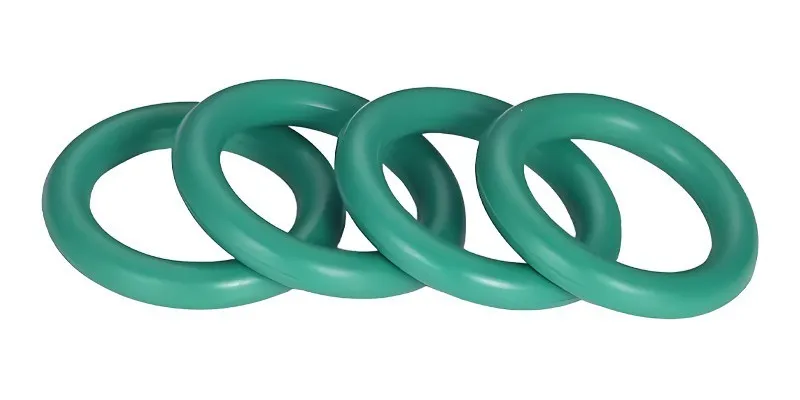
Silicone vs EPDM vs Viton: The $50,000 Food Grade O-Ring Decision That Makes or Breaks Production Lines
A single seal failure in a dairy processing plant can trigger cascading shutdowns that cost tens of thousands of dollars in lost production time, product recalls, and regulatory scrutiny. When contamination occurs at a critical seal point, the entire production run becomes compromised, forcing operators to halt operations, conduct extensive cleaning protocols, and potentially discard large volumes of product already in process.
The choice of sealing material represents one of the most consequential decisions in food manufacturing equipment design and maintenance. Unlike general industrial applications where seal failure might mean minor leakage or reduced efficiency, food processing environments demand absolute containment integrity combined with chemical compatibility that won’t introduce harmful substances into consumable products.
Three elastomer families dominate food processing applications, each offering distinct advantages and limitations that directly impact operational reliability, maintenance schedules, and compliance with stringent food safety standards. Understanding these material differences becomes essential when production continuity and product safety depend on consistent seal performance across varying temperature ranges, cleaning cycles, and chemical exposures.
Material Chemistry Fundamentals in Food Processing Environments
The molecular structure of elastomeric sealing materials determines their behavior when exposed to the aggressive conditions common in food processing operations. Food grade o rings must maintain dimensional stability and chemical inertness while withstanding repeated exposure to cleaning agents, sanitizers, and temperature extremes that would quickly degrade standard industrial seals.
Silicone elastomers derive their stability from a silicon-oxygen backbone that provides exceptional flexibility across temperature ranges while resisting oxidation and ozone degradation. This molecular structure explains why silicone seals maintain their sealing properties in applications involving steam sterilization cycles and extreme temperature variations common in pasteurization processes.
EPDM compounds build their chemical resistance through a saturated polymer backbone that lacks reactive double bonds, making them highly resistant to polar chemicals including acids, bases, and alcohols frequently used in food processing cleaning protocols. The absence of these reactive sites also contributes to EPDM’s resistance to environmental degradation from exposure to cleaning chemistry.
Viton fluoroelastomers achieve their chemical inertness through carbon-fluorine bonds, which represent some of the strongest chemical bonds in polymer science. This fluorinated structure provides exceptional resistance to aggressive solvents, oils, and acids while maintaining seal integrity at elevated temperatures where other materials begin to soften or lose their elastic properties.
Temperature Response Characteristics
Temperature cycling creates one of the most demanding challenges for food processing seals, as many operations require rapid transitions between ambient conditions and elevated processing temperatures. Silicone materials excel in this environment because their polymer chains remain flexible across an exceptionally broad temperature range, allowing the seal to maintain consistent contact pressure against mating surfaces even during thermal shock conditions.
EPDM demonstrates reliable performance within moderate temperature ranges but begins to exhibit reduced flexibility at temperature extremes. This characteristic makes EPDM suitable for many food processing applications but limits its effectiveness in high-temperature sterilization processes or applications involving direct steam contact.
Viton materials maintain their mechanical properties at elevated temperatures that would cause other elastomers to lose their sealing effectiveness. However, this high-temperature capability comes with reduced low-temperature flexibility, which can affect seal performance in applications involving refrigeration cycles or cold storage conditions.
Chemical Compatibility Considerations
The interaction between seal materials and process chemicals extends beyond simple compatibility to include long-term effects on seal dimensions, hardness, and surface integrity. Silicone seals demonstrate excellent resistance to water-based cleaning solutions and maintain their properties when exposed to most food-grade sanitizers, though they can experience swelling when exposed to certain organic solvents.
EPDM materials show superior resistance to polar chemicals and maintain dimensional stability when exposed to acids and bases commonly used in cleaning-in-place systems. This resistance makes EPDM particularly valuable in applications where seals experience regular exposure to aggressive cleaning chemistry without the opportunity for frequent replacement.
Viton seals provide the broadest chemical resistance among the three materials, maintaining their integrity when exposed to oils, greases, and organic solvents that might cause swelling or degradation in other elastomers. This resistance proves critical in food processing applications involving oils or where seals might encounter lubricants from adjacent machinery.
Regulatory Compliance and Food Safety Standards
Food processing facilities operate under strict regulatory frameworks that govern every material in contact with consumable products. The FDA maintains comprehensive guidelines for materials approved for food contact, establishing specific requirements for chemical migration, toxicity, and long-term stability that directly impact seal material selection.
Silicone elastomers approved for food contact undergo extensive testing to verify that no harmful substances migrate into food products during normal use conditions. These approvals cover specific formulations, meaning that not all silicone materials carry food-grade certifications. The testing process evaluates migration under various temperature and contact time scenarios to ensure safety across different processing applications.
EPDM formulations designed for food processing applications must demonstrate compliance with extraction limits for various solvents that simulate different food types. The testing protocols evaluate both aqueous and lipophilic extraction to ensure that the material remains inert when in contact with water-based and oil-based food products.
Viton materials face additional scrutiny due to their fluorinated chemistry, requiring specialized testing to verify that fluorine-containing compounds do not migrate into food products. While approved formulations demonstrate excellent safety profiles, the regulatory approval process for new Viton compounds tends to be more extensive than for other elastomer types.
Traceability and Documentation Requirements
Modern food processing operations require comprehensive documentation for all materials that could potentially contact food products, creating additional considerations beyond basic material performance. Silicone seals typically come with detailed certifications that trace the material back to approved base polymers and verify that all additives meet food contact requirements.
EPDM materials used in food processing applications require documentation demonstrating compliance with relevant FDA regulations and may include additional certifications for specific industry standards such as 3-A Sanitary Standards for dairy processing equipment.
Viton seals in food processing applications often carry the most extensive documentation packages, including detailed chemical analysis reports and migration testing data that demonstrate compliance with both FDA requirements and international food safety standards for facilities serving global markets.
Performance Trade-offs in Real-World Applications
The selection between silicone, EPDM, and Viton materials involves balancing competing performance requirements against operational constraints and cost considerations. Silicone seals offer the broadest temperature range capability and excellent general chemical resistance, making them suitable for applications where temperature cycling represents the primary challenge.
Processing equipment that operates primarily at moderate temperatures with exposure to cleaning chemicals often benefits from EPDM seals, which provide reliable chemical resistance at a lower material cost than fluoroelastomer alternatives. The dimensional stability of EPDM under chemical exposure reduces the frequency of seal replacement and associated maintenance downtime.
Applications involving exposure to oils, organic solvents, or extreme chemical conditions typically require Viton seals despite their higher initial cost. The extended service life and reduced risk of chemical degradation often justify the material premium in critical sealing applications where failure could result in significant production losses.
Service Life Expectations
Predicting seal service life requires understanding how each material responds to the specific combination of conditions present in individual applications. Silicone seals generally provide consistent performance over extended periods in temperature cycling applications but may require more frequent replacement in environments with aggressive chemical exposure.
EPDM seals often demonstrate longer service life in chemically aggressive environments, maintaining their sealing properties through numerous cleaning cycles that might degrade other materials. The ability to withstand repeated chemical exposure without dimensional changes contributes to predictable maintenance schedules and reduced unplanned downtime.
Viton seals typically provide the longest service life in applications involving chemical exposure, though their performance advantage becomes most apparent in severe service conditions. In moderate service environments, the extended life of Viton seals may not offset their higher initial cost compared to other materials.
Cost Analysis Beyond Initial Purchase Price
The total cost of ownership for sealing systems extends far beyond the initial material cost to include installation labor, maintenance frequency, and the operational impact of seal failure. Silicone seals generally represent a middle ground in terms of initial cost while offering good general performance across a range of conditions.
EPDM materials typically offer the lowest initial cost among food-grade sealing options, making them attractive for applications where chemical resistance requirements align with EPDM capabilities. The lower material cost can translate to significant savings in large installations or applications requiring frequent seal replacement as part of preventive maintenance programs.
Viton seals command premium pricing but often justify this cost through extended service life and superior performance in demanding applications. The cost analysis becomes favorable when the extended replacement intervals reduce maintenance labor costs and minimize production disruptions associated with seal replacement.
Hidden Costs of Seal Failure
Seal failure in food processing applications creates costs that extend far beyond the replacement part itself, including production downtime, product loss, cleaning and sanitization procedures, and potential regulatory reporting requirements. These indirect costs often dwarf the material cost difference between sealing options, making reliability the primary selection criterion rather than initial price.
Contamination events resulting from seal failure can trigger extensive cleaning protocols that require hours or days to complete, during which production remains halted. The cost of lost production time, combined with the expense of cleaning materials and labor, creates a strong economic incentive to select sealing materials based on reliability rather than lowest initial cost.
Quality incidents that reach finished products can result in recalls, regulatory investigations, and long-term brand damage that far exceed the immediate costs of the contamination event. This risk profile makes seal reliability a critical factor in material selection decisions for food processing applications.
Conclusion
The selection of appropriate elastomeric sealing materials in food processing applications requires balancing multiple competing factors including temperature requirements, chemical exposure, regulatory compliance, and total cost of ownership. While silicone materials offer excellent temperature performance and general chemical resistance, EPDM provides superior chemical resistance in many cleaning applications at a lower material cost. Viton materials deliver the highest performance in severe chemical environments but at a premium price point.
Success in material selection depends on accurately characterizing the specific service conditions and understanding how each material option responds to the combination of temperature, chemical exposure, and mechanical stress present in the application. The consequences of seal failure in food processing operations create a strong incentive to prioritize reliability and regulatory compliance over initial cost savings, making thorough material evaluation an essential investment in operational continuity and food safety.