LDPE vs HDPE vs PP: The Ultimate Poly Bag Material Showdown for Industrial Packaging
Manufacturing and distribution operations depend on consistent, reliable packaging that protects products while maintaining cost efficiency. The choice between different polymer materials for poly bags directly impacts packaging line performance, product integrity during transit, and overall operational costs. When packaging equipment runs smoothly and products arrive undamaged, operations maintain their rhythm. When bags tear, leak, or fail under stress, the consequences ripple through entire supply chains.
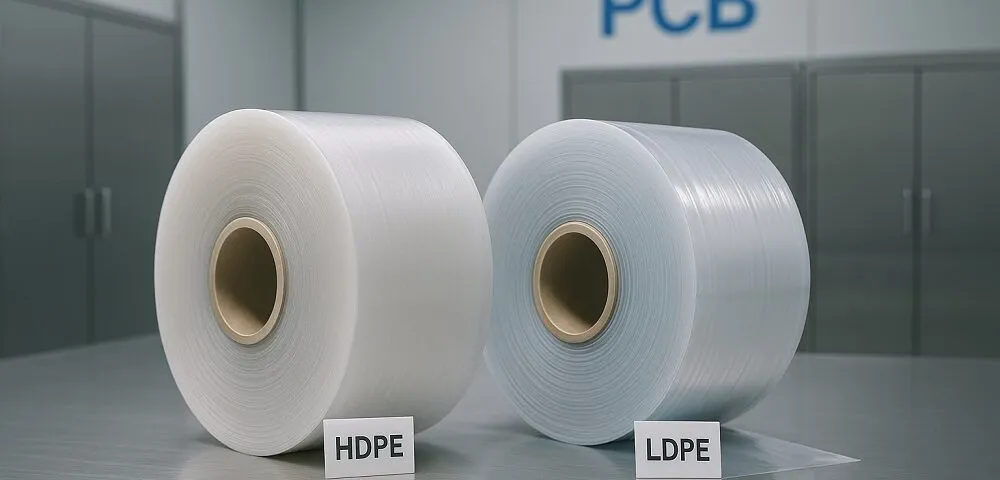
Three primary polymer materials dominate industrial poly bag applications: Low-Density Polyethylene (LDPE), High-Density Polyethylene (HDPE), and Polypropylene (PP). Each material brings distinct characteristics that affect how bags perform under different operational conditions. Understanding these differences helps operations managers select materials that align with their specific packaging requirements, storage conditions, and handling processes.
The stakes extend beyond simple material selection. Wrong choices lead to increased product damage rates, packaging line interruptions, and unexpected cost overruns. Right choices create predictable packaging operations that support broader business objectives without drawing attention through failures or inefficiencies.
Low-Density Polyethylene: The Flexible Foundation
Low-Density Polyethylene represents the most widely used polymer in flexible packaging applications. Its molecular structure creates a material that balances flexibility with durability, making it suitable for applications where bags need to conform to irregular product shapes or withstand repeated handling without cracking. LDPE poly bags maintain their integrity across a broad range of temperatures and resist punctures better than many alternative materials.
The flexibility of LDPE stems from its branched molecular chain structure, which allows polymer chains to slide past each other under stress rather than breaking. This characteristic makes LDPE bags particularly effective for packaging products with sharp edges or irregular surfaces that might puncture more rigid materials. The material also exhibits excellent clarity when manufactured as clear bags, allowing visual inspection of contents without opening packages.
Processing and Handling Characteristics
LDPE bags perform consistently across automated packaging lines because the material feeds smoothly through machinery without binding or tearing during high-speed operations. The polymer’s inherent flexibility prevents stress cracking at fold points, which commonly occurs when bags move through packaging equipment corners and guide systems. This reliability reduces downtime associated with bag jams or tears that interrupt production flow.
Temperature variations in warehouse and shipping environments have minimal impact on LDPE bag performance. The material remains flexible in cold conditions where other polymers might become brittle, and it resists softening in moderate heat that could cause handling problems. This temperature stability proves particularly valuable for operations that store products in uncontrolled environments or ship through varying climate zones.
Application-Specific Performance
Industries that package food products, pharmaceuticals, and consumer goods rely heavily on LDPE bags because the material meets food-contact safety requirements and provides excellent barrier properties against moisture and contaminants. The polymer’s chemical inertness prevents interactions with most packaged products, maintaining product quality throughout storage and distribution cycles.
LDPE bags also excel in applications requiring heat sealing, as the material melts uniformly to create strong, consistent seals. This characteristic proves essential for operations using automated sealing equipment, where inconsistent seal quality creates immediate problems with package integrity and long-term issues with product shelf life.
High-Density Polyethylene: Strength and Chemical Resistance
High-Density Polyethylene delivers superior strength and chemical resistance compared to its low-density counterpart. The tighter molecular structure of HDPE creates bags that withstand higher stress loads and resist penetration by chemicals, oils, and other aggressive substances. Operations handling industrial components, hardware, or chemically active products often specify HDPE bags for their enhanced protective capabilities.
The increased density of HDPE translates into bags with greater tensile strength and puncture resistance. This strength advantage becomes critical when packaging heavy items or products with sharp protrusions that could compromise weaker materials. HDPE bags maintain their structural integrity under loads that would stretch or tear LDPE bags, reducing product damage and associated handling costs.
Chemical and Environmental Resistance
HDPE bags provide exceptional resistance to a broad range of chemicals, including acids, bases, and organic solvents. This resistance makes HDPE the preferred choice for packaging industrial chemicals, cleaning products, and manufactured goods that may have chemical residues. The material’s resistance extends to environmental factors like UV radiation, allowing for extended outdoor storage without significant degradation.
The chemical inertness of HDPE prevents bag degradation when in contact with aggressive substances, maintaining package integrity throughout product lifecycles. This characteristic proves particularly valuable for long-term storage applications where other materials might weaken or fail over time due to chemical exposure.
Structural Advantages in Heavy-Duty Applications
Manufacturing operations that package metal components, automotive parts, or construction materials benefit from HDPE’s ability to contain heavy loads without stretching or tearing. The material’s high tensile strength allows for thinner bag walls while maintaining load-bearing capacity, optimizing material usage without compromising performance.
HDPE bags also demonstrate excellent tear propagation resistance, meaning small nicks or cuts do not easily spread into larger failures. This characteristic reduces the likelihood of catastrophic bag failure during handling, protecting both products and workers from unexpected spills or sharp object exposure.
Polypropylene: Clarity, Strength, and Heat Resistance
Polypropylene brings unique advantages to applications requiring exceptional clarity, high-temperature resistance, and superior printability. PP bags offer crystal-clear visibility of contents while maintaining strength characteristics that rival or exceed HDPE in many applications. The material’s ability to withstand elevated temperatures without deformation makes it ideal for applications involving hot-fill processes or high-temperature storage conditions.
The optical clarity of polypropylene bags supports operations where visual product inspection is essential. Retail packaging, food service applications, and pharmaceutical operations benefit from PP’s ability to showcase products clearly while providing reliable protection. This clarity remains stable over time, unlike some materials that may yellow or cloud with age or UV exposure.
High-Temperature Performance
PP bags maintain their structural properties at temperatures that would soften or deform LDPE and HDPE bags. This heat resistance proves valuable in applications involving heated products, sterilization processes, or storage in high-temperature environments. Food service operations, medical device packaging, and industrial processes that involve elevated temperatures rely on PP’s thermal stability.
The material’s melting point significantly exceeds that of polyethylene materials, providing a safety margin in applications where unexpected heat exposure might occur. This characteristic reduces the risk of bag failure in environments with temperature fluctuations or heat-generating equipment proximity.
Surface Properties and Printability
Polypropylene bags accept printing inks and adhesive labels more readily than polyethylene materials due to the polymer’s surface energy characteristics. This printability advantage supports operations requiring detailed product identification, branding, or regulatory compliance markings directly on packaging materials.
The smooth surface finish of PP bags also provides aesthetic advantages in consumer-facing applications where package appearance influences purchasing decisions. The material’s resistance to scuffing and surface damage maintains visual appeal throughout handling and display cycles.
Comparative Performance in Critical Applications
Each polymer material excels in specific operational contexts, and understanding these performance differences helps operations select appropriate materials for their requirements. LDPE provides the best balance of flexibility, clarity, and general-purpose performance for moderate-duty applications. HDPE delivers superior strength and chemical resistance for demanding industrial applications. PP offers exceptional clarity, printability, and heat resistance for specialized applications.
Cost considerations often influence material selection, but operational reliability typically outweighs marginal material cost differences. Bag failures during production create costs that exceed any savings from selecting less expensive but inadequate materials. The key lies in matching material capabilities to actual operational requirements without over-specifying for conditions that will never occur.
Selection Criteria for Optimal Performance
Temperature exposure ranges guide initial material selection decisions. Operations with consistent moderate temperatures can utilize LDPE effectively, while high-temperature applications require PP. Chemical exposure levels determine whether standard LDPE provides adequate resistance or whether HDPE’s enhanced chemical protection is necessary.
Load requirements and handling stress levels influence strength specifications. Light to moderate loads work well with LDPE bags, while heavy-duty applications benefit from HDPE’s superior tensile strength. Sharp or abrasive products may require HDPE’s puncture resistance regardless of load considerations.
Visual requirements affect material choice when product visibility matters for inspection, identification, or marketing purposes. PP provides the clearest visibility, followed by LDPE, while HDPE typically appears more opaque but offers better protection for light-sensitive products.
Long-Term Operational Implications
Material selection decisions create long-term operational patterns that extend beyond immediate packaging performance. Bag reliability affects customer satisfaction through product damage rates, influences labor requirements through handling ease, and impacts inventory management through storage stability. Operations that select appropriate materials for their conditions establish predictable packaging costs and performance standards.
Supplier relationships and material availability also factor into long-term material strategies. Consistent material specifications enable stronger supplier partnerships and more stable pricing arrangements. Operations benefit from establishing clear material requirements that suppliers can meet reliably rather than frequently changing specifications that create supply chain uncertainty.
The environmental impact of material choices increasingly influences operational decisions as organizations address sustainability objectives. Each polymer type offers different recycling characteristics and environmental profiles that may align with broader organizational goals for waste reduction and environmental responsibility.
Conclusion
The choice between LDPE, HDPE, and PP for poly bag applications depends on specific operational requirements rather than universal superiority of any single material. LDPE provides versatile performance for general applications, HDPE delivers enhanced strength and chemical resistance for demanding conditions, and PP offers clarity and heat resistance for specialized requirements.
Successful material selection requires honest assessment of actual operating conditions, load requirements, chemical exposures, and temperature ranges. Operations that match material capabilities to real-world conditions achieve reliable packaging performance that supports broader business objectives without creating unnecessary complexity or cost.
The investment in appropriate material selection pays dividends through reduced product damage, fewer packaging line interruptions, and predictable operational costs. These benefits compound over time, making thoughtful material selection one of the most impactful decisions in packaging operations management.