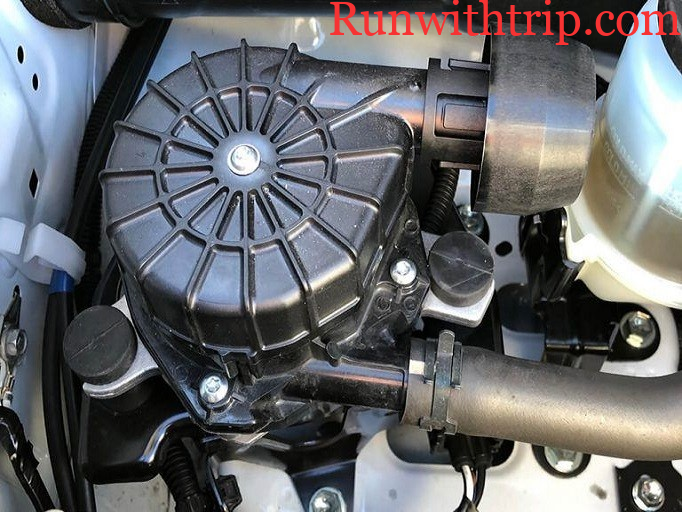
Air Injection Pump: Function, Benefits, and Common Issues Explained What is an Air Injection Pump?
The air injection pump is a key component of a vehicle’s emission control system. Its main function is to push fresh air into the exhaust stream to help reduce harmful emissions. This process is especially important during engine startup when the engine is still cold and fuel combustion is not fully efficient. The air injection pump boosts environmental performance by supplying extra oxygen which helps to burn unburned exhaust fuel.
How Does an Air Injection Pump Work?
The air injection pump operates mainly during the cold start phase of the engine. The engine starts when the pump draws in fresh air from outside and forces it into the exhaust system. The extra oxygen helps to burn the remaining fuel particles that are present in the exhaust gases. The catalytic converter benefits from this process because it heats up faster while improving its operational performance. The pump enters a shutdown mode after the engine reaches its operating temperature because its functions are no longer required.
Importance of the Air Injection Pump
The air injection pump plays a significant role in reducing vehicle emissions. The system reduces carbon monoxide and hydrocarbons emissions into the atmosphere especially during vehicle startup. The pump functions as an essential tool to achieve environmental compliance because most emissions occur during engine cold operation. The system improves emission control efficiency by enhancing catalytic converter effectiveness.
Common Signs of a Faulty Air Injection Pump
A failed air injection pump will showcase multiple distinct symptoms that drivers can observe. The check engine light turns on as an initial sign which alerts drivers to potential emissions system problems. Emission tests will fail because the vehicle releases excessive pollution into the environment. Drivers might hear strange sounds from the pump when its internal parts suffer from damage. Engine performance issues such as rough idling or reduced acceleration can occur although they usually present less severe symptoms than other engine problems.
Causes of Air Injection Pump Failure
There are several reasons an air injection pump will stop functioning correctly. The pump suffers damage and efficiency loss when water enters its system which serves as the main reason for its failure. Electrical problems, such as faulty wiring or a bad relay, can also prevent the pump from operating correctly. Performance drops when airflow gets obstructed by clogged or damaged hoses. Normal wear and tear over time can also lead to failure especially in older vehicles.
Can You Drive with a Bad Air Injection Pump?
It is possible to drive a vehicle with a faulty air injection pump but it is not advisable for long-term use. The pump does not influence engine operation directly but it functions as an important emission control component. The vehicle will release additional pollutants when operated with a malfunctioning pump while emission tests will result in failure. The emission system will sustain additional damage if the problem remains unaddressed which will increase the cost of repairs.
Maintenance and Replacement Tips
The air injection pump requires maintenance to sustain operational vehicle performance. The system needs regular inspections to detect potential problems before they become critical. Water damage occurs mainly because engine bay moisture exposure needs to be prevented through cleaning and protective measures. The pump should be replaced with a dedicated high-quality component when it fails because this will restore operational capability and emission compliance.
Conclusion
The air injection pump is a crucial part of a vehicle’s emission control system which reduces harmful gases while enhancing environmental performance. The engine startup phase activates the system but its function remains essential because it produces cleaner emissions and assists catalytic converter operation. Vehicle owners can maintain OSIAS their cars effectively while avoiding expensive repairs through their understanding of the system’s functionality and detection of initial failure symptoms.