
How to Choose Hair Loss Medication in Melbourne for Scarring
When hair loss is associated with scarring — whether from injury, surgery, or medical conditions — selecting the right hair loss medication in Melbourne requires thoughtful evaluation. Scarring alopecia (cicatricial alopecia) and other scar-related hair loss types differ from typical pattern hair loss, and the medication choices must align with the underlying cause and treatment goals. Choosing the appropriate medication affects outcomes before or after procedures such as hair transplant for scars, and should always be guided by a clinician experienced in hair disorders.
This guide explains key considerations when selecting hair loss medication for scarring in Melbourne, helping you make informed decisions with professional support.
Understand the Type of Scarring Hair Loss
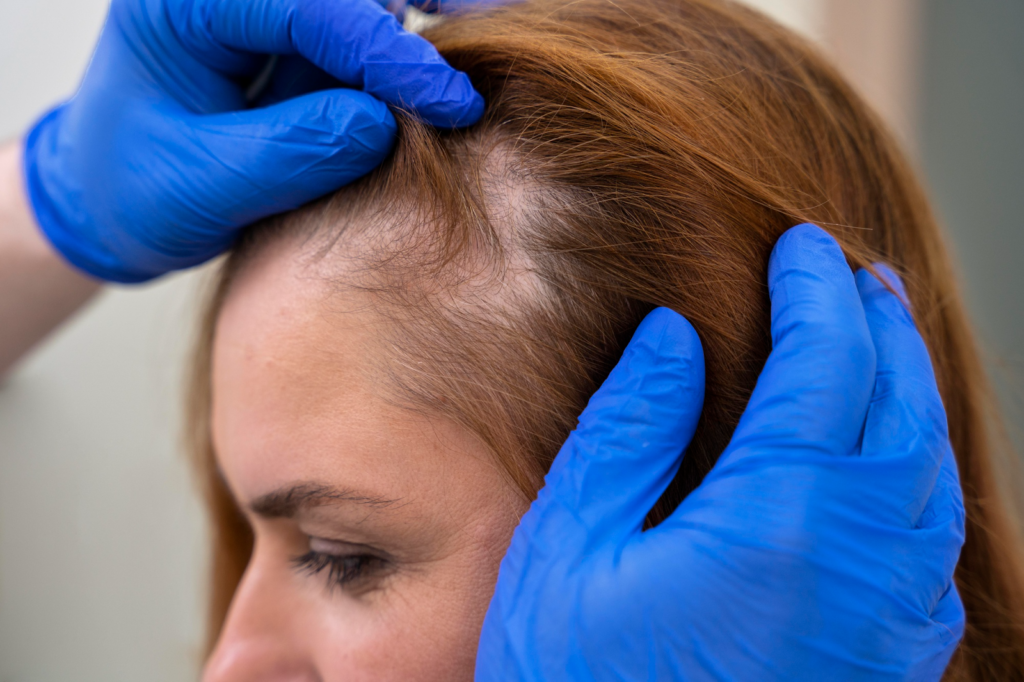
Distinguishing Scarring From Pattern Hair Loss
Scarring hair loss involves permanent destruction of hair follicles and replacement with scar tissue. Common causes include:
- Trauma or burns
- Surgical scars (including after tumour removal)
- Infections or inflammatory skin conditions
- Autoimmune disorders that affect follicle integrity
Because follicles are replaced by scar tissue, traditional hair-growth medications (which work on existing follicles) may be less effective unless there are regions of active follicle retention or inflammation.
Consult With a Specialist Early
Before considering medication, obtain a specialist diagnosis (often via clinical examination and sometimes skin biopsy). Melbourne dermatologists or hair specialists experienced in scarring alopecia can clarify whether medications or surgical options like hair transplant for scars are appropriate.
Medication Goals: Inflammation Control vs Growth Stimulation
Address Inflammation First
In many forms of scarring hair loss, controlling inflammation is a priority — ongoing inflammation can expand scarred regions. Medications often used include:
- Topical or intralesional corticosteroids (reduce local inflammation)
- Immunomodulators (such as tacrolimus or pimecrolimus)
- Systemic anti-inflammatory therapy (for active inflammatory disease)
Suppressing inflammatory activity helps stabilise hair loss and prevents further scarring.
Hair Growth Agents Play a Supportive Role
Once inflammation is controlled, hair-stimulating medications can support remaining follicles and improve hair quality where follicles still exist. Common options include:
- Minoxidil (topical) — increases blood flow and follicle stimulation
- 5-alpha-reductase inhibitors (e.g., finasteride) — may help when male pattern hair loss coexists
Medication choice depends on the pattern of hair loss, hormonal considerations, and whether scarring is active or stable.
Consider Combined Treatment Planning
Medications Complement Surgical Solutions
If your hair loss is stable and scarred areas are well-defined, a hair transplant for scars might be considered to restore density. Prior to surgery, medications can stabilise surrounding hair and reduce the risk of further loss. After transplant, medications may:
- Support survival of transplanted grafts
- Maintain donor and adjacent hair quality
- Reduce shock loss or shedding
A coordinated plan involving both medication and surgical intervention increases the likelihood of balanced results.
Assess Timing of Medication
Some medications (especially systemic immunosuppressants or anti-androgens) may require titration or specific timing prior to surgery. Discuss timing with your surgeon or dermatologist to avoid unnecessary complications.
Evaluate Medication Effectiveness and Limitations
Effectiveness in Scarred Regions
Because scar tissue lacks normal hair follicles, hair loss medication in Melbourne may have limited direct regrowth effects in fully scarred regions. Growth agents work best in areas with partial follicle function or ongoing miniaturisation rather than complete follicle loss.
Setting Realistic Expectations
Clinicians will help you understand what medication can realistically achieve:
- Reduce progression of loss in surrounding (non-scarred) areas
- Improve overall hair density where follicles remain healthy
- Provide supportive care around scar margins
- Complement surgical options
Safety and Suitability Review
Medical History Matters
Before prescribing any hair loss medication, clinicians assess your health history, including:
- Heart conditions (relevant for minoxidil)
- Hormonal status or reproductive plans (impacts finasteride suitability)
- Current medications and allergies
- Scalp condition (eczema, psoriasis, or dermatitis)
This ensures safety and personalised care.
Discuss Side Effects Openly
All medications carry potential side effects. For example:
- Minoxidil may cause scalp irritation
- Finasteride can have sexual side effects or hormonal impacts
- Steroids can cause thinning or skin changes if misused
Clinicians in Melbourne will guide you through risk–benefit discussion based on your profile.
Choose Clinics With Hair Loss and Scar Expertise
Seek Specialist Experience
Look for dermatologists, trichologists, or hair restoration surgeons in Melbourne who have experience with scarring hair loss and hair transplant for scars. Expertise in both medical and surgical hair loss approaches provides comprehensive care.
Compare Consultation Quality
During your consultation:
- Does the clinician explain the cause of scarring and hair loss clearly?
- Do they outline multiple treatment options and why certain medications are chosen?
- Are follow-up and monitoring plans discussed?
These are signs of thorough and tailored care.
Understand Monitoring and Follow-Up
Regular Assessment Is Important
Medications require ongoing evaluation. Follow-up visits allow your clinician to:
- Track response to treatment
- Adjust dosages or switch agents
- Identify any side effects early
- Assess whether surgical options like hair transplant for scars could be added
Document Progress
Before-and-after photos and scalp assessments help document changes over time and support decisions about continuing or changing therapies.
Lifestyle and Adjunctive Support
Healthy Scalp Environment
In addition to medication:
- Maintain gentle scalp care
- Avoid harsh chemicals or aggressive styling
- Support overall health with nutrition, hydration, and stress management
These factors contribute to general hair health and can enhance medication effectiveness.
Adjunctive Treatments
Clinics may suggest supportive therapies such as low-level laser therapy, PRP treatment, or microneedling — particularly in non-scarred areas to encourage follicle activity and complement medication effects.
Cost and Value Considerations
Understand What You’re Paying For
Hair loss medication pricing may include:
- Consultation fees
- Medication costs (topical or oral)
- Monitoring visits
- Supportive therapies
Value Over Lowest Cost
Don’t choose medication purely on price. Quality assessment, correct diagnosis, and tailored plans provide better long-term value than cheap, generic prescriptions without expert oversight.
Ask These Key Questions During Consultation

- What type of scarring hair loss do I have, and is it active or stable?
- Which medications are most suitable for my condition and why?
- What outcomes can I expect from medication alone?
- Should medication be combined with surgical options like hair transplant for scars?
- How will progress be monitored, and at what intervals?
- What side effects should I be aware of, and how are they managed?
Final Thoughts
Choosing the right hair loss medication in Melbourne for scarring involves understanding the cause of your hair loss, recognising the limitations of medication in scarred regions, and working with a specialist to create a personalised management plan. Medications are most effective when used to stabilise surrounding hair, control inflammation, and support overall scalp health. In cases where follicle loss is permanent, combining medication with surgical options such as hair transplant for scars may provide the most balanced results. Professional assessment and ongoing monitoring by experienced clinicians ensure treatment is safe, appropriate, and suited to your long-term hair restoration goals.
Disclaimer
This article is intended for general informational and educational purposes only and does not constitute medical advice, diagnosis, or treatment. Hair loss associated with scarring, including scarring alopecia, can vary significantly in cause, severity, and response to treatment. Information provided here should not be used as a substitute for consultation with a qualified medical professional.
Always seek advice from a registered dermatologist, hair restoration specialist, or other appropriately qualified healthcare provider in Melbourne before starting, changing, or stopping any hair loss medication or undergoing procedures such as a hair transplant for scars. Individual suitability, risks, benefits, and outcomes depend on personal medical history, scalp condition, and underlying causes of hair loss.