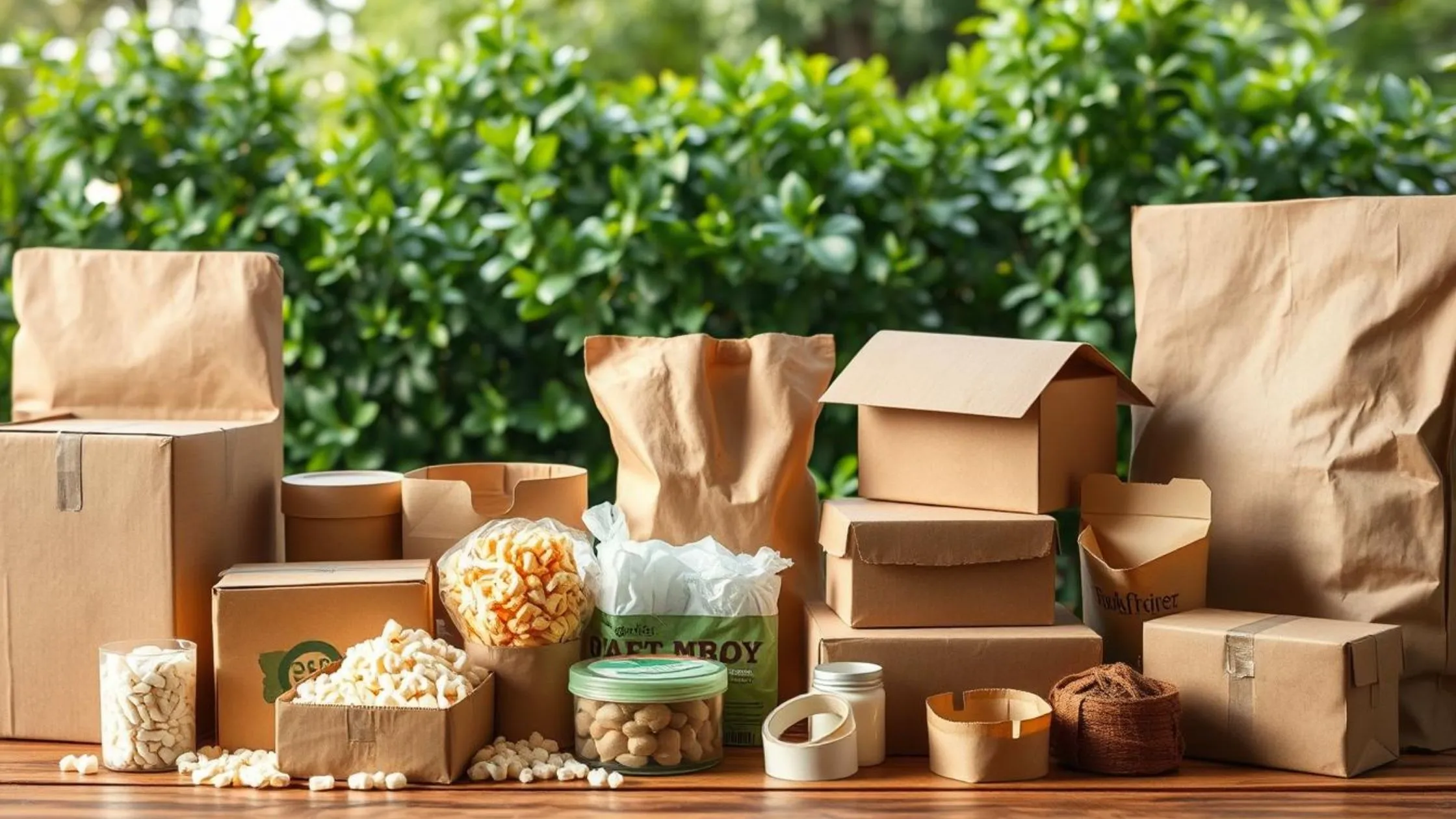
Pappedeckel: Meaning Material Uses and Importance in Modern Packaging
Introduction to Pappedeckel
Pappedeckel is a term that may sound unfamiliar outside German-speaking regions, yet the material it describes is deeply embedded in everyday life around the world. From book covers and rigid boxes to packaging inserts and creative crafts, Pappedeckel plays a quiet but essential role. In simple terms, Pappedeckel refers to thick, rigid cardboard made by compressing multiple layers of paper fibers. What sets it apart from ordinary cardboard is its density, stiffness, and durability, making it suitable for applications where strength and shape retention are crucial.
In an era where sustainability, recyclability, and cost-effectiveness are key concerns, Pappedeckel has gained renewed attention. It bridges the gap between lightweight paper products and heavier materials such as wood or plastic. Understanding Pappedeckel means understanding how a humble paper-based material can deliver structure, protection, and design flexibility without harming the environment.
What Is Pappedeckel ?
Pappedeckel is a form of rigid cardboard produced by layering and compressing paper pulp until it forms a solid board. Unlike thin carton used for folding boxes, this material is designed to remain firm and flat. It does not bend easily and can withstand pressure, which is why it is commonly used as a “backbone” material in many products.
The word itself reflects its purpose. Traditionally, it was used as a “cover” or “lid” material, especially in bookbinding and packaging. Over time, its use expanded far beyond covers, evolving into a multipurpose board material valued for its reliability and adaptability. Today, Pappedeckel is not just a functional component but also a design element that can be printed, laminated, wrapped, or cut into precise shapes.
How Pappedeckel Is Manufactured
Raw Materials and Fiber Composition
The production of Pappedeckel begins with paper fibers, often sourced from recycled paper. These fibers are cleaned, pulped, and prepared to form dense sheets. One of the strengths of Pappedeckel lies in its recycled content, which can be very high without compromising performance. This makes it an environmentally responsible choice compared to many synthetic materials.
Layering and Compression Process
Once the pulp is ready, it is formed into sheets that are stacked in layers. These layers are then pressed together under high pressure, sometimes with heat, to remove excess moisture and create a compact structure. The result is a rigid board with uniform thickness and strength. The level of compression directly influences the final hardness and weight of the Pappedeckel.
Drying and Finishing
After pressing, the board is dried thoroughly to stabilize its shape. It may then be trimmed, sanded, or surface-treated depending on its intended use. Some Pappedeckel is left raw for industrial applications, while other types are coated or laminated to improve appearance and resistance to moisture.
Key Properties That Make Pappedeckel Valuable
Pappedeckel is valued not just for what it is made of, but for how it performs. Its rigidity allows it to support weight and maintain shape, even when used in large formats. At the same time, it remains relatively lightweight compared to wood-based boards. This balance of strength and weight is one of its defining characteristics.
Another important property is its excellent workability. Pappedeckel can be cut, punched, glued, wrapped, and printed with ease. It holds adhesives well and provides a stable surface for decorative papers, fabrics, or printed designs. This makes it especially popular in premium packaging and bookbinding.
From a sustainability perspective, Pappedeckel stands out because it is biodegradable and recyclable. When produced responsibly, it has a much lower environmental footprint than plastic or composite materials that are difficult to recycle.
Common Uses of Pappedeckel in Everyday Life
Pappedeckel in Packaging Solutions
Rigid boxes for electronics, cosmetics, luxury goods, and gifts often rely on this material for their structure. The board provides protection during transport while also offering a premium feel that enhances brand perception.
In food and beverage contexts, Pappedeckel is frequently used for lids, sleeves, and protective inserts. Its ability to absorb moisture slightly without collapsing makes it suitable for items like drink coasters and takeaway packaging components.
Role of Pappedeckel in Bookbinding and Publishing
In the publishing world, Pappedeckel is a classic material. Hardcover books depend on it for their covers, giving them durability and longevity. The board protects pages from bending and damage while providing a solid base for cloth, leather, or printed paper coverings.
Libraries, archives, and collectors favor Pappedeckel because it helps preserve books over long periods. Its stability ensures that covers remain flat and aligned, maintaining the book’s structural integrity.
Pappedeckel in Crafts, Design, and Education
Beyond industrial uses, Pappedeckel is popular in creative and educational settings. Artists and designers use it for model-making, mounting artwork, and creating prototypes. In schools, it is a staple material for projects because it is easy to cut and safe to handle while still being sturdy.
Its neutral appearance also makes it ideal as a base material that can be transformed through painting, wrapping, or printing. This versatility encourages creativity while keeping costs low.
Pappedeckel and Sustainability
Environmental Benefits of Using Pappedeckel
Sustainability has become a decisive factor in material selection, and Pappedeckel fits well into eco-conscious strategies. Because it is primarily made from paper fibers, often recycled, it supports circular economy principles. Products made from Pappedeckel can be recycled again after use, reducing waste and conserving resources.
Compared to plastic alternatives, Pappedeckel decomposes naturally if it ends up in the environment. This reduces long-term pollution and aligns with global efforts to minimize plastic waste.
Supporting Eco-Friendly Packaging Trends
Many brands are shifting toward paper-based packaging to meet consumer expectations and regulatory requirements. Pappedeckel allows companies to create rigid, protective packaging without relying on plastic or foam. This makes it a key material in the transition toward sustainable packaging solutions.
Differences Between Pappedeckel and Other Cardboard Types
It is important to distinguish Pappedeckel from other paper-based materials. Ordinary cardboard or carton is usually thinner and designed to be folded rather than remain rigid. Corrugated board, while strong, relies on fluted layers for strength and has a very different structure and appearance.
Pappedeckel, by contrast, is solid throughout. It does not have internal waves or hollow spaces. This solid structure gives it a smoother edge when cut and a more refined look, which is why it is preferred for visible applications like book covers and high-end boxes.
Quality Factors to Consider When Choosing Pappedeckel
The quality of Pappedeckel can vary depending on thickness, density, and fiber composition. Thicker boards offer more strength but also add weight. Density affects how well the board holds screws, adhesives, or decorative coverings. Fiber quality influences durability and resistance to wear.
For professional applications, choosing the right grade of Pappedeckel is essential. A balance must be found between strength, appearance, cost, and environmental impact.
Future of Pappedeckel in Modern Industries
The future of Pappedeckel looks promising as industries continue to prioritize sustainable materials. Advances in manufacturing are improving its strength-to-weight ratio and expanding its applications. Innovative surface treatments are making it more resistant to moisture and wear, opening doors to new uses.
As consumers become more aware of environmental issues, materials like Pappedeckel are likely to gain even more popularity. Its combination of tradition, functionality, and sustainability positions it as a reliable material for both classic and modern applications.
Conclusion
Pappedeckel may appear simple at first glance, but its importance is anything but small. It supports books that last generations, protects products during transport, enables creative expression, and contributes to sustainable design. In a world searching for alternatives to plastic and wasteful materials, Pappedeckel stands as a proven, adaptable solution.
Understanding Pappedeckel means recognizing how thoughtful material choices can combine practicality with environmental responsibility. As industries evolve and sustainability becomes the standard rather than the exception, Pappedeckel will continue to be a material that quietly shapes the products and packaging we rely on every day.