Things to Do in Siem Reap, Cambodia: Top Attractions & Experiences
Siem Reap is far more than a simple stop on a travel itinerary. It stands as the cultural soul of Cambodia and one of Southeast Asia’s most dynamic and fascinating destinations. While many visitors recognize it as the gateway to the legendary Angkor temple complex, the city delivers experiences that extend well beyond its ancient ruins.
Limiting your journey to archaeological landmarks alone would mean missing out on vibrant markets, diverse culinary adventures, peaceful wellness retreats, and scenic countryside escapes. Siem Reap beautifully blends history, spirituality, natural beauty, and contemporary comfort.
For travelers exploring Cambodia tour packages, this city is an essential highlight. It consistently exceeds expectations and offers meaningful, memorable experiences. Whether you are passionate about history, drawn to nature, or seeking refined luxury, Siem Reap caters to every travel style.
Why Visit Siem Reap?
Although Siem Reap is home to the Angkor Archaeological Park, recognized as a UNESCO World Heritage Site, the city itself has grown into a refined urban center filled with culture and creativity.
Tourism here has developed significantly over the years. Visitors can now enjoy fine dining, boutique hotels, stylish cafés, and immersive cultural experiences. Cambodia once ruled much of the region, and exploring Siem Reap provides insight into the splendor of a powerful ancient empire. The atmosphere carries a peaceful, almost spiritual charm that leaves travelers feeling inspired and uplifted.
Discover the Angkor Temple Complex
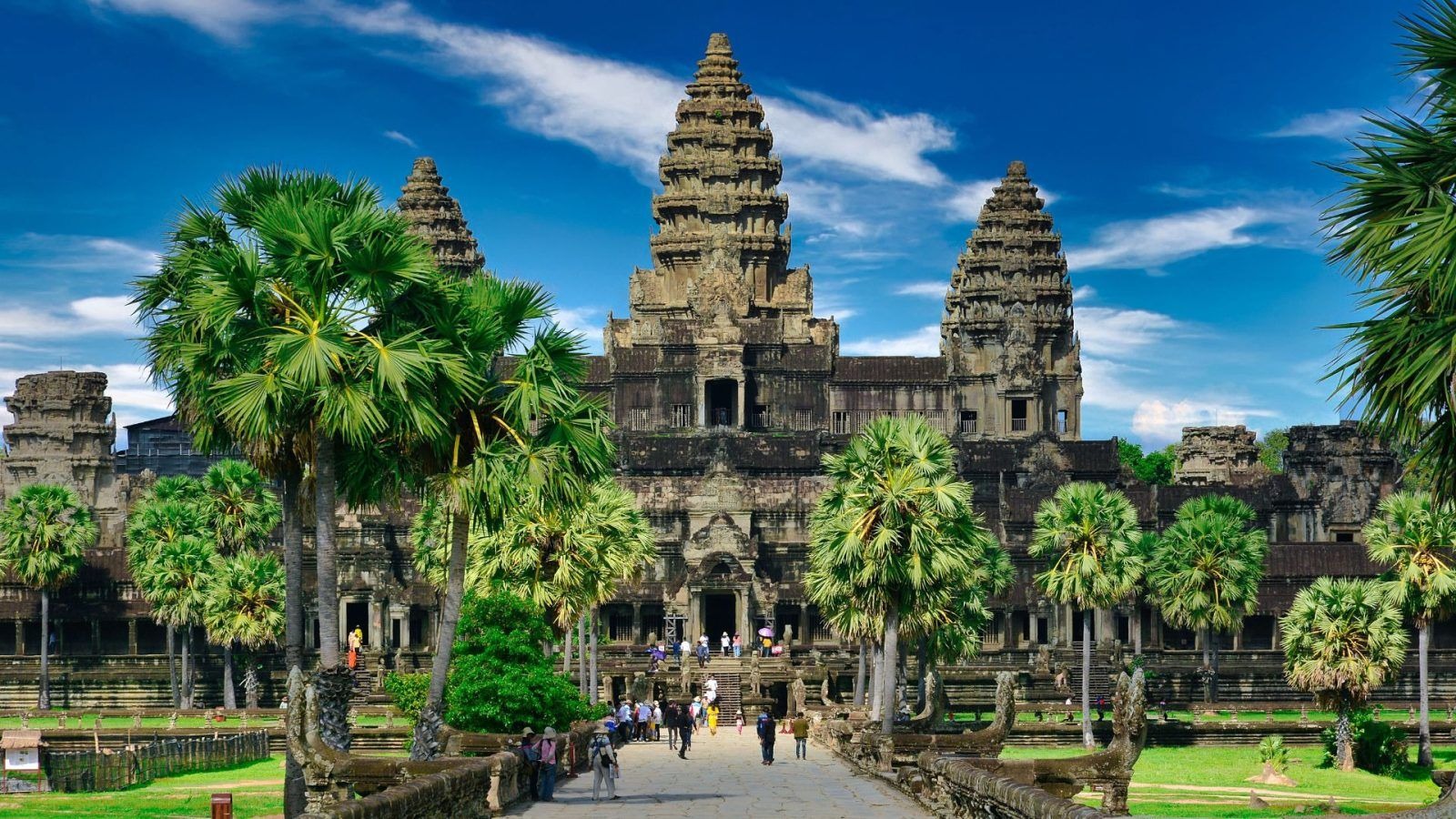
The Angkor temple complex is the city’s primary attraction, welcoming millions of visitors annually. Covering more than 400 square kilometers, it preserves the remains of several capitals of the Khmer Empire dating from the 9th to the 15th century.
Angkor Wat at Sunrise
Watching the sunrise at Angkor Wat is an unforgettable experience. Arrive before 5:00 AM to witness the sky transform into shades of gold and violet as sunlight reflects across the temple’s lotus-shaped towers. The northern pond offers one of the most iconic views.
While many visitors leave for breakfast afterward, staying longer allows you to explore the inner galleries in soft morning light, revealing detailed carvings and intricate bas-reliefs without heavy crowds.
Bayon Temple and Angkor Thom
Located in the ancient city of Angkor Thom, Bayon Temple is famous for its 216 massive stone faces believed to represent Avalokiteshvara. These serene expressions look down from 54 towers, creating a breathtaking architectural masterpiece. The lower galleries display detailed carvings that depict scenes of daily life and historical events.
Ta Prohm
Ta Prohm is known for the dramatic sight of towering trees growing through temple walls. Massive roots wrap around stone structures, illustrating nature’s quiet yet powerful dominance over time. Its mysterious beauty makes it one of the most photographed sites in the region.
Ta Som
For a quieter alternative, Ta Som offers a more intimate experience. Its eastern gate, enveloped by a giant fig tree, creates a stunning natural frame that photographers love. The peaceful surroundings make it ideal for slow exploration.
Banteay Srei
Located about 25 kilometers from the main complex, Banteay Srei is admired for its pink sandstone and remarkably detailed carvings. Dedicated to the Hindu god Shiva, this temple showcases some of the finest artistry of the Khmer civilization and is especially rewarding for history enthusiasts.
Temple Passes and Visitor Information
To explore the temple complex, visitors must purchase an official Angkor pass:
- 1-Day Pass: $37
- 3-Day Pass: $62 (valid for 10 days)
- 7-Day Pass: $72 (valid for one month)
Dress modestly to respect the sacred nature of the temples, covering shoulders and knees.
Cultural and Historical Insights
Siem Reap is not only about ancient grandeur; it also provides meaningful perspectives on Cambodia’s modern history.
Cambodia Landmine Museum
Founded by former child soldier Aki Ra, the Cambodia Landmine Museum highlights the lasting impact of past conflicts. It educates visitors about efforts to remove unexploded ordnance and supports children affected by landmines.
APOPO Visitor Center
The APOPO Visitor Center introduces trained African giant pouched rats known for detecting landmines by scent. This innovative approach demonstrates Cambodia’s commitment to recovery and safety through creative solutions.
Artisans d’Angkor
Artisans d’Angkor promotes traditional craftsmanship by training rural youth in silk weaving, stone carving, and lacquerwork. Visiting the workshops supports cultural preservation and sustainable employment.
Nature and Outdoor Adventures
Phnom Kulen National Park
A short trip from the city leads to Phnom Kulen National Park, home to waterfalls and sacred sites. Visitors can swim in natural pools, explore forest trails, and see a large reclining Buddha statue. The park also features carvings etched into the riverbed, adding spiritual significance to the landscape.
Kulen Mountain
Still an active pilgrimage site, Kulen Mountain offers a glimpse into modern spiritual life. Local families gather here for rituals and picnics, creating a warm and authentic atmosphere.
Tonle Sap Lake
Day trips to Tonle Sap Lake reveal floating villages such as Kampong Phluk and Kampong Khleang. These communities adapt to seasonal water changes, showcasing resilience and ingenuity.
Exploring Siem Reap Town
The town itself blends colonial architecture with contemporary Cambodian style.
Pub Street
Pub Street serves as the city’s social center. During the day, it is calm and relaxed. At night, it transforms into a lively area filled with music, performers, and bustling restaurants.
Night Markets
Markets offer everything from handcrafted textiles to silver jewelry. The Angkor Night Market and other local markets provide excellent opportunities to shop for souvenirs and local products.
Coffee Culture
Siem Reap has a thriving café scene. Popular spots such as Little Red Fox Espresso and Sister Srey Café serve ethically sourced coffee and delicious brunch options, often supporting community projects.
Culinary Experiences
Cambodian cuisine balances sweet, sour, salty, and bitter flavors.
Popular dishes include:
- Fish Amok – a fragrant curry steamed in banana leaves
- Nom Banh Chok – rice noodles with green fish gravy and fresh herbs
- Lok Lak Beef – stir-fried beef served with rice
- Khmer Red Curry – a mild, aromatic curry
Adventurous travelers can sample fried insects sold by street vendors. For drinks, try traditional slow-drip coffee with condensed milk or locally infused rice spirits.
Wellness and Relaxation
Traditional Khmer massage combines acupressure, stretching, and herbal remedies, offering relaxation after long days of sightseeing.
Modern spas throughout the city provide aromatherapy, body scrubs, and holistic treatments. Many hotels include spa facilities for added comfort.
Unique Cultural Experiences
Phare Cambodian Circus
Phare blends theater, music, acrobatics, and storytelling inspired by Cambodian history and folklore. Performances are both entertaining and socially impactful.
Artisan Shops and Social Enterprises
Local shops sell handmade textiles, ceramics, and jewelry while supporting rural artisans and community development.
Accommodation Options
Budget: Affordable hostels and guesthouses with social atmospheres.
Mid-Range: Boutique hotels with pools and breakfast packages.
Luxury: Elegant resorts with fine dining and personalized service.
Ultra-Luxury: Private villas, spa pavilions, and curated cultural experiences, often included in premium Cambodia tour packages.
Getting to Siem Reap
The Siem Reap Angkor International Airport, located about 45 kilometers from the city center, makes travel convenient.
Direct international flights operate from major cities such as Singapore, Bangkok, and Seoul. Many travelers also connect via Phnom Penh with a short domestic flight or comfortable bus ride.
Practical Travel Tips
- Use ride-hailing apps for fixed-price transport.
- Dress respectfully when visiting temples.
- A 3–5 day stay allows enough time to explore major attractions and enjoy local experiences.
Is Siem Reap Worth Visiting?
Absolutely. Siem Reap offers an unforgettable blend of adventure, heritage, cuisine, and relaxation. It suits solo travelers, couples, and families alike.
Many visitors combine their trip with beach destinations or the capital city through well-organized vietnam and cambodia tours, creating a diverse and rewarding travel experience.
Final Thoughts
Siem Reap represents resilience, beauty, and cultural depth. Its ancient monuments inspire awe, while its modern hospitality ensures comfort. From sunrise temple views to vibrant night markets and peaceful wellness retreats, the city provides a layered journey that feels both enriching and transformative.