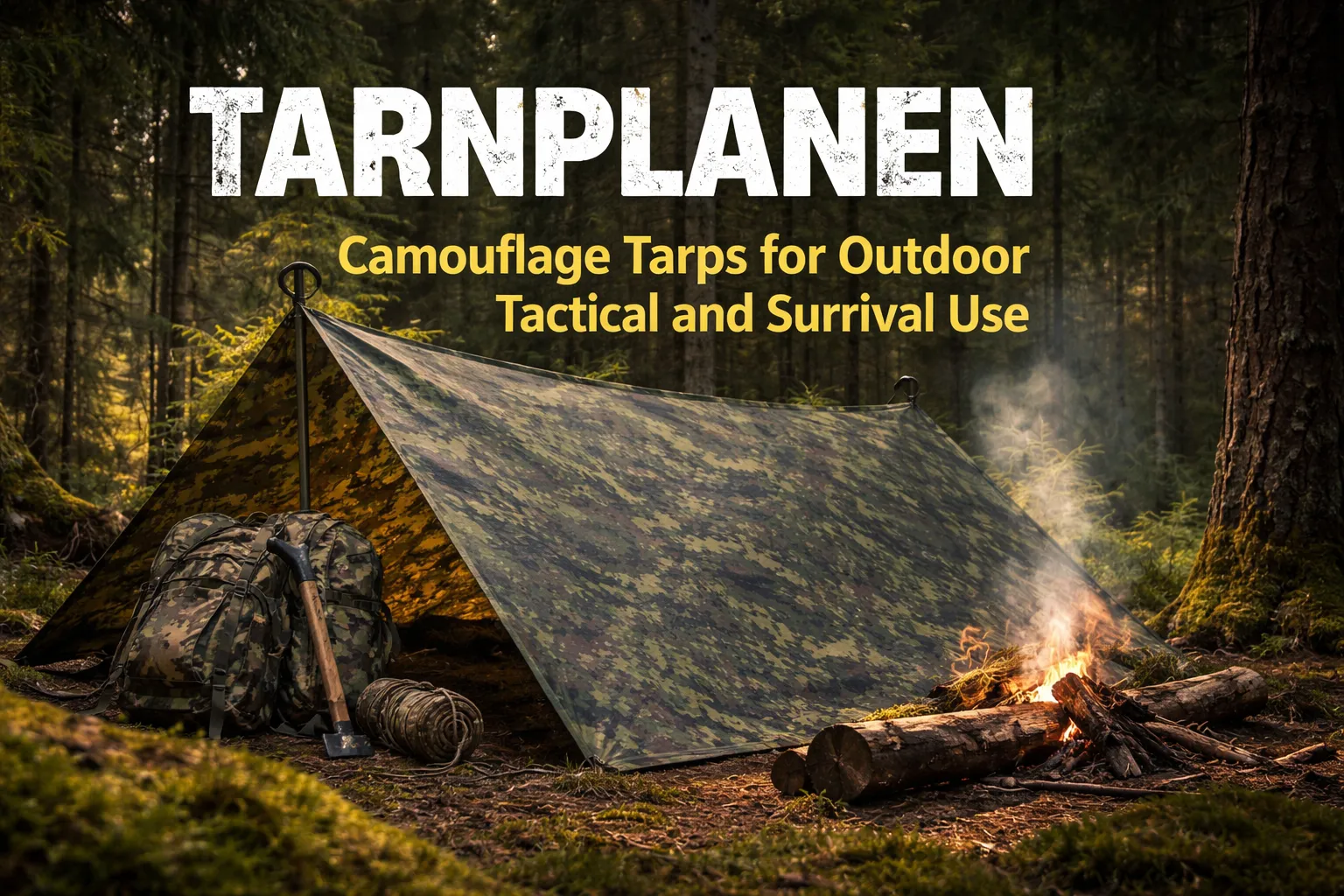
Tarnplanen: Camouflage Tarps for Outdoor Tactical and Survival Use
Tarnplanen has become an essential tool for those who value protection, concealment, and adaptability. Whether you are a camper building a temporary shelter in the wilderness, a hunter seeking to blend into natural surroundings, or a tactical professional protecting equipment in the field, Tarnplanen offers a versatile solution.
Unlike ordinary tarps that only provide weather protection, Tarnplanen combines camouflage, durability, and multifunctional design. It is specifically engineered to blend into different environments while shielding people, equipment, and shelters from harsh conditions. Over time, Tarnplanen has evolved from a military necessity to a widely used outdoor accessory trusted by hikers, bushcraft experts, survivalists, and adventure travelers.
What Is Tarnplanen?
Tarnplanen is a German term that literally means camouflage tarpaulin. The word is formed from two German roots:
- Tarn or Tarnung – meaning camouflage or concealment
- Planen – meaning tarps, sheets, or protective covers
Together, the term describes camouflage tarps designed to conceal and protect equipment, shelters, or people in outdoor environments.
A Tarnplanen typically consists of a strong, waterproof fabric printed with camouflage patterns. These patterns allow the tarp to blend naturally into surroundings such as forests, deserts, mountains, or urban environments. At the same time, the material protects against rain, wind, sunlight, and debris.
Because of its combination of stealth and durability, Tarnplanen has become a favorite tool for both military and civilian use.
The History and Origin of Tarnplanen
The concept of Tarnplanen originated in military camouflage systems during the early twentieth century. Armies realized that soldiers and equipment were easier to detect when exposed to the open environment. To reduce visibility, camouflage fabrics and coverings were introduced.
One of the most well-known historical examples was the German “Zeltbahn” camouflage shelter tarp, used during World War II. These triangular camouflage tarps served multiple purposes. Soldiers could wear them as rain ponchos, connect several pieces together to build tents, or use them as camouflage covers for equipment.
Over time, military engineers improved camouflage technology by studying nature. Patterns inspired by forests, grasslands, and rocky terrain were developed to disrupt the human silhouette and reduce visibility from a distance.
Why Tarnplanen Is Important for Outdoor and Tactical Use
The popularity of Tarnplanen comes from its ability to perform multiple tasks at once. Outdoor environments can be unpredictable, and equipment must be both durable and adaptable.
A Tarnplanen provides several essential functions:
- Protection against rain, wind, and sunlight
- Concealment in natural or tactical environments
- Flexible shelter construction
- Equipment protection during transport or storage
For example, when camping in remote wilderness areas, a Tarnplanen can quickly be turned into a rain shelter. When hunting, the same tarp can function as a camouflage blind. In survival situations, it can become a temporary roof, ground sheet, or emergency cover.
This level of versatility makes Tarnplanen one of the most valuable pieces of outdoor gear available.
Key Features of Tarnplanen
Modern Tarnplanen tarps are designed with several important features that improve their performance and durability.
Camouflage Patterns
The most recognizable feature of Tarnplanen is its camouflage design. Common patterns include woodland camouflage, desert camouflage, digital camouflage, and the German Flecktarn pattern. These designs break up shapes and reduce visual contrast with the surrounding environment.
Waterproof Construction
Most Tarnplanen tarps are treated with waterproof coatings that prevent rain from penetrating the fabric. This ensures equipment and shelters remain dry during storms.
Reinforced Edges and Eyelets
Strong metal eyelets or reinforced loops are placed around the edges of Tarnplanen. These allow ropes or stakes to secure the tarp firmly to trees, poles, or ground anchors.
Tear-Resistant Fabric
High-quality Tarnplanen fabrics are often made from ripstop nylon or reinforced polyester, which prevents small tears from spreading further.
Lightweight Portability
Despite their strength, Tarnplanen tarps are lightweight and foldable, making them easy to carry in backpacks during hiking or camping trips.
Materials Used in Tarnplanen
The durability of Tarnplanen depends heavily on the materials used in its construction. Modern camouflage tarps often combine several specialized fabrics.
Ripstop Nylon
Ripstop nylon is a popular material because it prevents tears from expanding. A special reinforcement pattern is woven into the fabric, giving it excellent strength without adding extra weight.
PVC-Coated Polyester
PVC-coated polyester tarps offer strong waterproof protection. This material is commonly used for heavy-duty Tarnplanen designed for long-term outdoor exposure.
Polyethylene
Polyethylene tarps are lightweight and affordable. They are commonly used for camping and general outdoor protection.
Canvas
Traditional canvas Tarnplanen provides natural durability and breathability, though it is heavier than synthetic fabrics.
Each material offers different advantages depending on the intended use of the tarp.
Common Uses of Tarnplanen
Tarnplanen has many applications across military, recreational, and professional environments.
Tarnplanen in Military Operations
In tactical environments, Tarnplanen is used to conceal vehicles, weapons, and supply depots. Camouflage tarps also help create temporary command shelters and observation posts.
Because these tarps blend into natural surroundings, they reduce the risk of detection from distance or aerial observation.
Tarnplanen for Camping and Bushcraft
Outdoor enthusiasts frequently use Tarnplanen to build simple shelters. By attaching ropes to nearby trees, a tarp can quickly become an A-frame shelter, lean-to, or rain fly.
This flexibility makes Tarnplanen an essential part of bushcraft equipment.
Tarnplanen for Hunting and Wildlife Observation
Hunters use Tarnplanen to build camouflage blinds that hide their presence from animals. Wildlife photographers also use them to observe animals without disturbing their natural behavior.
Tarnplanen for Survival Situations
In emergency situations, Tarnplanen can serve as a survival tool. It can provide shelter from harsh weather, protect supplies from moisture, and even function as a ground insulation layer.
Tarnplanen vs Regular Tarps
Although Tarnplanen may look similar to ordinary tarpaulins, several important differences exist.
| Feature | Tarnplanen | Regular Tarps |
|---|---|---|
| Camouflage design | Yes | Usually solid colors |
| Tactical use | Common | Rare |
| Outdoor concealment | Excellent | Poor |
| Durability | High | Moderate |
| Specialized materials | Yes | Limited |
While regular tarps focus mainly on weather protection, Tarnplanen provides both concealment and durability.
How to Choose the Right Tarnplanen
Choosing the right Tarnplanen depends on the intended environment and purpose.
First, consider the camouflage pattern. Woodland patterns work best in forests, while desert camouflage suits dry environments.
Second, check the material quality. Ripstop nylon or reinforced polyester provides excellent durability for outdoor use.
Third, select the correct size. A larger tarp offers more shelter coverage but may be heavier to carry. For backpacking, lightweight options are preferable.
Finally, examine reinforced eyelets and stitching. Strong attachment points ensure the tarp can withstand wind and tension without tearing.
Maintenance and Care for Tarnplanen
Proper care extends the lifespan of Tarnplanen. After each use, the tarp should be cleaned with mild soap and water to remove dirt or debris. Harsh chemicals should be avoided because they can damage waterproof coatings.
It is also important to dry the tarp completely before storing it. Moisture trapped in folded fabric can cause mold or mildew.
Storing Tarnplanen in a cool, dry location protects it from unnecessary wear and sunlight exposure.
Future Developments in Tarnplanen Technology
Modern Tarnplanen continues to evolve with new materials and technologies. Outdoor gear manufacturers are experimenting with lighter fabrics that maintain strength while reducing pack weight.
Advanced camouflage printing techniques also allow tarps to match specific environments more accurately. Some research even explores adaptive camouflage fabrics that adjust color depending on lighting conditions.
As sustainability becomes more important, manufacturers are also exploring eco-friendly fabrics and recyclable materials for future Tarnplanen designs.
Conclusion
Tarnplanen represents a powerful combination of camouflage technology, weather protection, and outdoor versatility. What began as a military camouflage tarp has evolved into an essential tool for campers, hunters, survivalists, and outdoor professionals.
With its durable materials, adaptable shelter designs, and ability to blend into natural environments, Tarnplanen offers unmatched reliability in challenging outdoor conditions. Whether used for tactical concealment, camping shelters, or equipment protection, it remains one of the most practical and multifunctional tools available for outdoor adventures.
By understanding the features, materials, and applications of Tarnplanen, anyone can take advantage of this remarkable piece of gear and stay prepared for whatever nature or circumstance may bring.