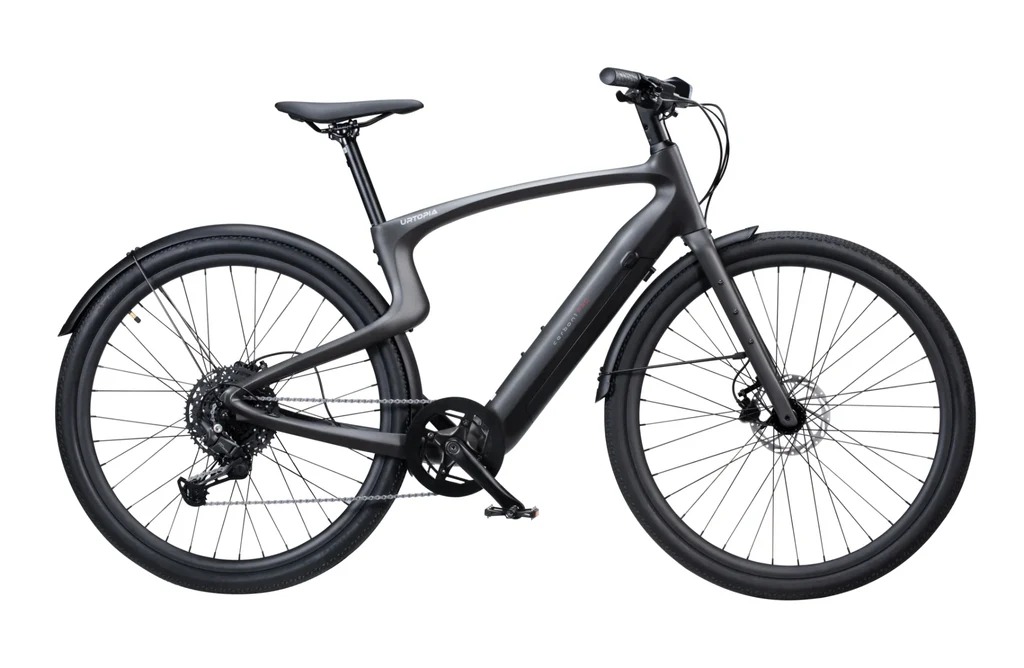
EBikes vs. Traditional Bicycles Why Electric is the Way to Go
The American commute is currently undergoing its most significant shift since the mid-century suburban boom. For decades, traditional cycling was seen primarily as a hobby or a weekend fitness pursuit, but in 2026, the commuter e bike has redefined the bicycle as a legitimate, primary vehicle. As urban sprawl continues and gas prices remain volatile, the choice between electric and acoustic (traditional) frames has become a debate about efficiency, accessibility, and personal freedom.
Choosing a high-quality ride from a sea of best e-bikes isn’t just about adding a motor to a frame; it’s about choosing a lifestyle that flattens hills and eliminates the “sweat barrier.” While purists may still prefer the raw simplicity of a standard bike, the modern electric alternative offers a compelling argument for anyone looking to ditch their car without sacrificing their energy or time.
Flattening the Sweat Barrier and Solving the Distance Dilemma
The primary reason most Americans avoid biking to work isn’t a lack of fitness—it’s the logistics of arrival. Arriving at a 9:00 AM meeting drenched in sweat after a five-mile uphill battle is a non-starter for most professionals. Electric assistance solves this by providing “pedal-assist,” which amplifies your effort. You can choose to work hard and get a workout, or you can let the motor do the heavy lifting, ensuring you arrive at the office as fresh as if you had driven.
Furthermore, the “distance ceiling” for traditional bikes usually hovers around three to five miles for the average rider. With electric power, that range effectively doubles or triples. A ten-mile commute that would be an exhausting hour-long ordeal on a standard bike becomes a breezy, 30-minute cruise. By maintaining a consistent 20–28 mph (depending on your local Class 3 regulations), you often find yourself arriving at your destination faster than a car stuck in peak-hour gridlock.
Navigating the 2026 US Three-Class System
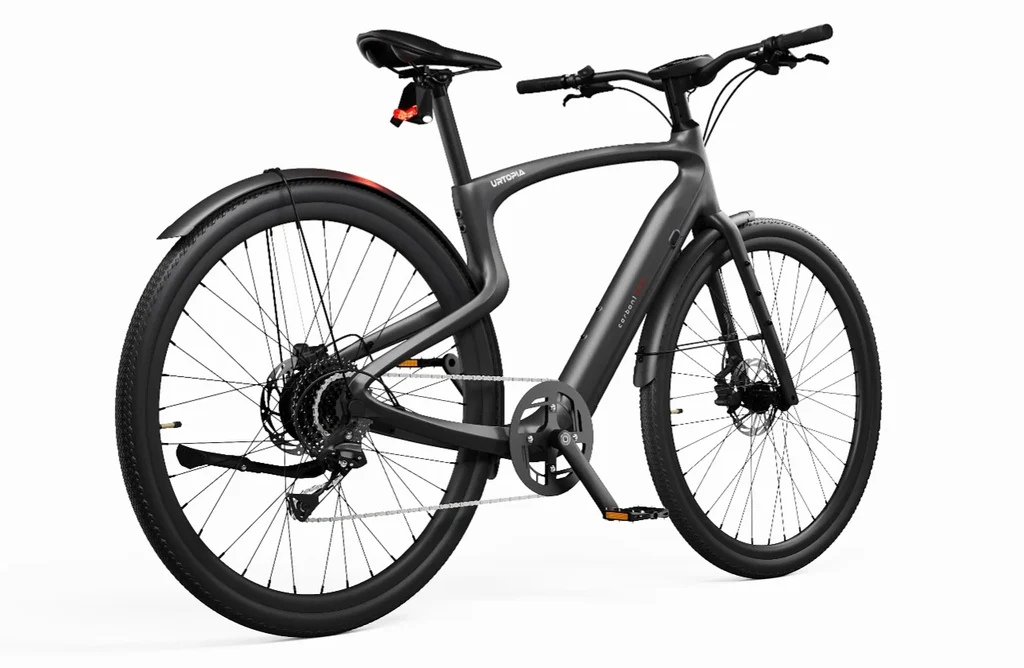
Before making the switch, it is vital to understand how the US legally categorizes these machines. commuter e bike, which are governed by the same rules regardless of their build, electric models are split into three distinct classes:
- Class 1: Pedal-assist only, with a top speed of 20 mph. These are widely accepted on most bike paths and multi-use trails.
- Class 2: Includes a throttle, allowing you to move without pedaling at all, but still capped at 20 mph.
- Class 3: Pedal-assist only, but with a top speed of 28 mph. These are designed specifically for road commuting and often require riders to be 16 or older.
Understanding these classes ensures that your new ride is compliant with your local city ordinances and trail regulations.
Why the Lightest Electric Bike Wins for Urban Living
A common criticism of electric mobility is the weight. Standard e-bikes can often tip the scales at 60–75 lbs, making them difficult to carry up apartment stairs or lift onto a bus rack. However, the market has responded with a new generation of “stealth” models. Choosing the lightest electric bike on the market—often weighing between 30 and 40 lbs—bridges the gap between traditional agility and motorized power.
These lightweight frames use advanced alloys and integrated batteries to maintain a slim profile. They handle like a traditional road bike, offering a nimble and responsive ride, but provide that “bionic leg” feeling the moment you hit a steep incline. For those living in walk-up apartments in cities like San Francisco or New York, the weight-to-power ratio is arguably the most important spec to consider.
Crushing the Misconception That Motorized Power is Cheating
One of the most persistent myths in 2026 is that riding an electric bike doesn’t count as exercise. Recent studies from the Journal of Transport & Health prove the opposite. Because electric riders tend to go further and ride more frequently than traditional cyclists, their total caloric burn over a week is often comparable—or even higher.
Pedal-assist keeps you in the “Zone 2” heart rate—the sweet spot for fat burning and cardiovascular health—without the joint-crushing peaks of an unassisted climb. It turns a grueling workout into “sustainable cardio.” For many Americans, particularly seniors or those returning to fitness after an injury, the motor acts as an equalizer that brings the joy of cycling back to a demographic that might have otherwise been sidelined.
Capitalizing on the 2026 Bicycle Commuter Act
The financial argument for making the switch has never been stronger. In 2026, the updated Federal Bicycle Commuter Act allows employees to claim pre-tax benefits for biking expenses, including the purchase price of an electric model. When you factor in these tax credits, the ROI becomes undeniable.
Operating a mid-sized sedan in the US now costs roughly $12,000 per year when accounting for insurance, fuel, and depreciation. Charging an e-bike, by contrast, costs the average American less than $25 in electricity per year. Even with a higher upfront cost than a standard bike, the electric version pays for itself within months of avoiding parking fees and $5-per-gallon gas.
Prioritizing Fire Safety with UL 2849 Certification
As the market grows, safety has become the primary differentiator between professional-grade tools and cheap imports. American riders are now prioritizing UL 2849 Certification, a rigorous electrical safety standard that tests the battery, motor, and charger as a single ecosystem. This certification is a non-negotiable for 2026, ensuring that your high-tech ride is protected against thermal runaway and fire risks. Buying from reputable brands that adhere to these standards provides peace of mind that a “bargain” bike simply cannot offer.
Is it Time to Upgrade Your Ride?
Traditional bicycles will always have a place for pure racing, ultra-light touring, and the simplicity of “analog” movement. However, for the modern American looking to solve the daily puzzle of the commute, the electric option is the clear winner. It offers the health benefits of a bike, the speed of a moped, and the environmental footprint of a pedestrian.
If your goal is to arrive at your destination with a smile rather than a sweat-soaked shirt, it’s time to head to your local shop for a test ride. The future of the American street isn’t just electric—it’s agile, accessible, and incredibly fun.
Disclaimer
This article is intended for informational and educational purposes only and does not constitute legal, financial, or professional advice. Laws, regulations, tax incentives, and safety standards related to electric bicycles—including classifications, age requirements, speed limits, and commuter benefits—may vary by state, city, and over time. Readers are encouraged to consult local authorities, official government resources, manufacturers, or qualified professionals to confirm current regulations and eligibility before purchasing or operating an electric bicycle.
Any references to studies, cost comparisons, tax benefits, or product features are provided for general context and should not be interpreted as guarantees of performance, savings, or outcomes. Individual experiences with electric bikes may vary based on usage, location, model, maintenance, and rider behavior. Always follow manufacturer guidelines, local laws, and recommended safety practices when riding.