Five Days in Malta and the One That Made the Trip
We almost didn’t go to Malta. For a while it sat at the bottom of a list of places we’d been vaguely considering, never quite rising to the top. Too hot in summer, we thought. Too touristy and probably too small to fill a week. But then a friend who’d been twice in three years told us to stop overthinking it and just book the flights. Let’s just say we’re very glad we listen.
So this is an account of our five days spent there in late September. We’ll tell you what we actually did, what lived up to the hype, what didn’t, and why the day we spent on Gozo turned into the one we keep bringing up at dinner parties months later.
Where We Stayed and How We Got Around
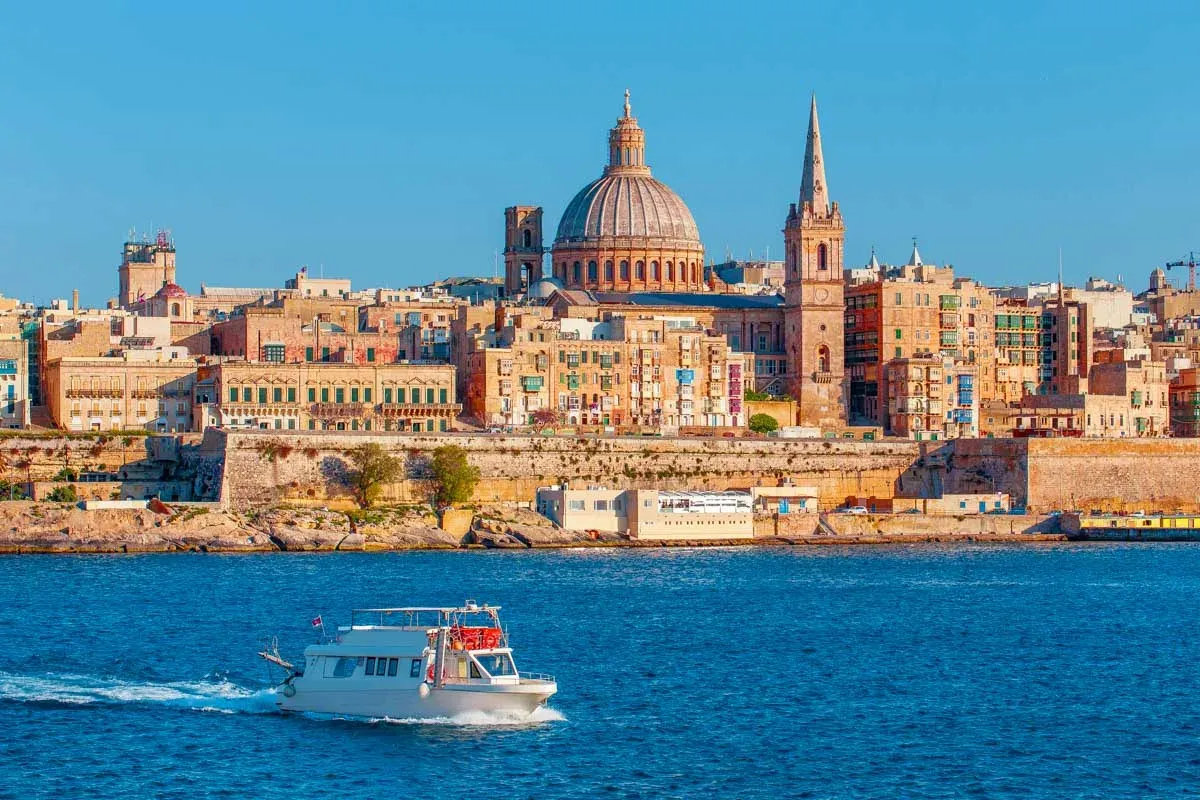
We stayed in Valletta the whole time, which some people told us was a mistake because it’s hilly and not particularly beachy. They were wrong, or at least wrong for us. Being central meant we could walk to most things, take a bus to the rest, and not think too hard about it. September in Valletta is still properly hot though, and the hills are steeper than they look. We learned that on day one.
The car debate took about ten minutes. We decided against it mostly because parking in Valletta sounded like a nightmare and neither of us particularly wanted to drive on the left. Bolt filled most of the gaps, buses covered the obvious routes, and one day we did an organised tour that handled everything. Honestly the only time we wished we had a car was trying to reach one of the quieter beaches, and even then a taxi wasn’t bad.
Day One: Valletta
We got in late afternoon and did essentially nothing useful. Walked around a bit, found a restaurant, ate too much, went to sleep. The city look beautiful in that early evening light and we were both relieved it didn’t feel like a package holiday destination.
The next morning we did the Cathedral. St. John’s Co-Cathedral, which you will have read about seventeen times before arriving, is one of those places where the hype is actually justified. We’d been to so many churches in Italy by that point that we’d started to glaze over slightly, but this one snapped us back. The Caravaggio paintings are in a side oratory and you pay extra to get in, which felt slightly annoying until we were standing in front of them. Worth it. We stayed longer than we’d planned, which is generally a good sign.
Upper Barrakka Gardens after lunch for the Grand Harbour view, which is as good as advertised. The noon cannon goes off there every day and it’s both more and less impressive than you expect. We took the little ferry across to the Three Cities in the afternoon for no particular reason other than it was cheap and looked interesting from the other side. Turned out to be one of the better decisions of the day, quieter and more local feeling than anything we’d walked through on the main side.
Day Two: Mdina and the West Coast
The bus to Mdina takes about forty minutes and drops you outside the gates. We’d read that you should go early to beat the crowds and for once actually took that advice, which meant we had most of the old city to ourselves for the first hour or so. Mdina is genuinely strange. A few hundred people live inside those walls and it shows. It doesn’t feel like a museum, it feels like somewhere people actually exist, just very quietly. The streets go in circles and we got slightly lost twice, which was fine because every wrong turn look interesting.
We’d planned to do more on the west coast but Dingli Cliffs ended up being enough. It’s just cliffs and sea and not much else, which sounds underwhelming and isn’t. We stood there for longer than made sense, ate at a small place nearby that we found by walking in the wrong direction, and got a Bolt back to Valletta. A fairly unstructured day by the end of it but a good one.
Day Three: Gozo with Yippee Tours
This was the day we’d been most uncertain about. We’d gone back and forth on whether to just take the ferry independently and figure it out ourselves, or book something organised. The honest reason we booked a tour was that neither of us wanted to spend the day reading bus timetables and working out Bolt in an unfamiliar place. We wanted to actually see Gozo, not spend half of it squinting at a bus app.
We’d come across Yippee Tours while looking into options and they kept appearing in the same forums and threads where people were talking about what actually worked. They do tuk-tuks, jeeps, quad bikes, buggies, all with local drivers who know the island. We went for the tuk-tuk because neither of us is particularly sporty and it sounded like the most relaxed way to cover a lot of ground. Good call, as it turned out.
The minivan pickup was early. Earlier than felt reasonable after the dinner we’d had the night before. But it showed up exactly when they said it would, which at that hour felt like a minor miracle. The crossing to Gozo is on a private Yippee boat rather than the public ferry, which sounds like a minor distinction but meant no queuing and no crowds. The sea was calm, Comino appeared on the left as we crossed, and our guide pointed out the Blue Lagoon from the water before we’d even arrived.
In Gozo, we climbed into one of Yippee’s brightly coloured tuk-tuks at Mġarr Harbour and that was more or less the point at which the day took on a character of its own. Our guide, whose knowledge of the island turned out to be encyclopaedic, took us through back roads and village streets that we’d never have found on a map, stopping to explain things with the casual fluency of someone who actually lives there and cares about the place.
First stop was the Cittadella up in Victoria. We’d seen pictures but pictures don’t really do the scale of it, or the view from the top of the walls where you can see basically the whole island laid out below you. Churches everywhere, fields, the coast in the distance. We went into the cathedral for a few minutes and had coffee in the square and then got back in the tuk-tuk feeling like we’d barely scratch it, which is probably how it’s suppos to feel.
Dwejra was harder to describe. There’s this thing called the Inland Sea which is a lagoon connected to the open water through a tunnel in the rock, and small wooden boats take you through it for a few euros. Our guide suggested it and we said yes mostly because he seemed to think it mattered. Coming out the other side into open sea through that gap in the rock is one of those things that’s just better than you expected. Fungus Rock is right there too, this strange lump of an islet with water around it that doesn’t look like a real colour.
The salt pans near Marsalforn were the stop we’d been least sure about beforehand and the one that lingered longest afterwards. Centuries-old rock-cut pools stretching along the coastline, still used by the same families who’ve worked them for generations. Our guide told us about the families who own specific sections, how the salt is collected in summer, how the patterns in the rock change depending on the time of year. It was one of those places where the gap between what you expected and what you found was large and entirely in the right direction.
Lunch was included in the tour and turned out to be a genuinely good meal rather than the perfunctory catering we’d half anticipated. Local wine, ftira with traditional toppings, fresh gbejniet cheese. We sat with the small group of other people on the tour, one other couple and a family, and had the kind of conversation that happens when everyone’s in a good mood and the day is going well.
The return crossing to Malta went via Comino and the Blue Lagoon, which in late September was busy enough to be lively but not so crowded as to be unpleasant. The water there is a specific shade of turquoise that photographers are probably tired of trying to capture accurately. We sat on the deck of the boat as it moved through the lagoon and both agreed, without discussing it, that the day had been the best of the trip.
Day Four: The Blue Grotto and Marsaxlokk
We gave ourselves a slower day after Gozo. The Blue Grotto on Malta’s south coast is worth a boat trip if the sea is cooperative, and ours was. The cave system is lit from within by the colour of the water, which sounds like something a brochure would say but is accurate. The trip takes about twenty minutes and costs a few euros.
Marsaxlokk afterwards was the antidote to anything that felt too curated. A fishing village on the southeastern coast with a Sunday market that stretches along the waterfront and a harbour full of the traditional Maltese luzzu boats painted in bright colours. We had grilled fish at a restaurant overlooking the water and took the bus back to Valletta slowly, stopping once in the middle of nowhere because something caught our eye from the window.
Day Five: A Slower Valletta and the Airport
Last days in any city have a particular feeling. We walked the streets we’d already walked, revisited a café we’d liked, bought a small amount of Gozo salt from a shop near the market. In the afternoon we sat in the gardens and looked at the harbour again. The flight home was on time.
A Few Things Worth Knowing Before You Go
September and October are a noticeably better time to visit than the peak summer months. The heat is more manageable, the main sites are easier to move through, and the island generally feels less stretched. The sea stays warm well into October.
Valletta as a base makes the most sense logistically unless you have a specific reason to be elsewhere. It’s walkable, well connected, and interesting enough to justify spending time in rather than just using as a launchpad.
For Gozo specifically, we’d say just book something rather than trying to piece it together yourself, at least for a day trip. The buses get you to the obvious places but a lot of what makes Gozo interesting is off those routes. Yippee Malta was the right call for us. The guides know the island properly, not in a rehearsed way, and you end up somewhere by the end of the day feeling like you actually saw the place rather than the version of it that’s easy to reach. They have tuk-tuks if you want it relaxed, quad bikes and jeeps if you want something with more of an edge to it.
One more thing on food: it’s better than people say. Find a bakery and get the ftira. Order rabbit stew somewhere that looks like locals eat there. Sit in a village square with a drink and don’t be in a hurry to leave. That last one especially. It costs almost nothing and it’s somehow the part of the trip you remember.
Disclaimer
This account is based on our personal experiences and opinions during a trip to Malta in late September. Travel conditions, services, and attractions may vary over time, and readers should verify details, opening hours, and safety guidelines before planning their own visit. The recommendations mentioned, including tours, restaurants, and transportation options, reflect what worked for us and may not suit every traveler’s preferences.