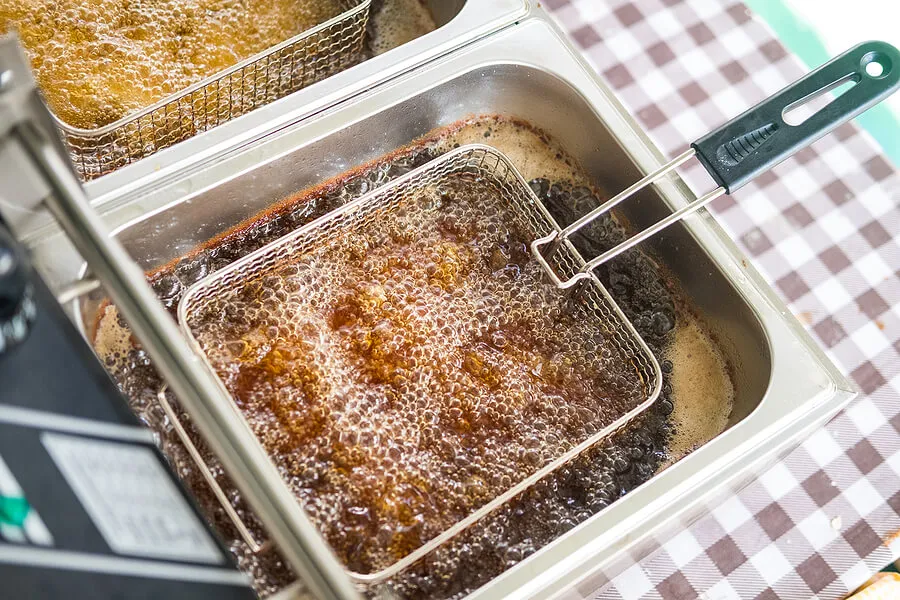
Fryer: Choosing, Using, and Maintaining
Frying is one of the oldest and most popular cooking methods worldwide. From golden French fries to crispy chicken wings, fried foods hold a special place in our hearts. At the center of this culinary technique is the fryer—a kitchen appliance designed to cook food quickly and efficiently in hot oil. This article will explore everything you need to know about fryers, including their types, benefits, how to choose the right fryer, safety tips, maintenance, and more.
What is a Fryer?
Fryer is a kitchen appliance used to cook food by immersing it in hot oil. Unlike traditional stovetop frying, fryers provide consistent temperatures and controlled cooking environments, which help produce perfectly cooked food with a crispy texture.
There are various types of fryers, including deep fryers, air fryers, and electric fryers. Each type serves a specific purpose and comes with its advantages and disadvantages.
Types of Fryers
Deep Fryer
The deep fryer is the most traditional type of fryer. It uses a large quantity of oil to fully submerge the food. This method ensures even cooking and a crispy exterior. Deep fryers are ideal for restaurants, fast-food chains, and home kitchens where frying large quantities of food is required.
Benefits of a deep fryer:
- Even cooking
- Crispy texture
- Suitable for large batches
Drawbacks:
- Uses a lot of oil
- Can be messy if not handled carefully
Air Fryer
Air fryers are a modern alternative to traditional fryers. They use hot air circulation to cook food, requiring little to no oil. This makes air fryers a healthier option for those looking to enjoy fried food without excess fat.
Benefits of an air fryer:
- Low-fat cooking
- Easy to clean
- Fast cooking times
Drawbacks:
- May not achieve the same crispiness as deep fryers
- Smaller capacity in most models
Electric Fryer
Electric fryers are convenient for home use. They come in various sizes and designs and allow precise temperature control. They are often used for both deep frying and pan frying.
Benefits of an electric fryer:
- Easy temperature control
- Less supervision required
- Safe for indoor use
Drawbacks:
- Requires electricity
- Limited mobility
How to Choose the Right Fryer
Choosing the right fryer depends on your cooking needs, space, and health preferences. Here are some factors to consider:
Capacity
Consider how much food you plan to fry regularly. A small fryer is sufficient for home use, while a large-capacity fryer is better suited for commercial kitchens.
Type of Frying
If you want traditional crispy fried foods, a deep fryer is ideal. For healthier cooking, an air fryer is the best choice. Electric fryers offer versatility for multiple frying methods.
Temperature Control
Precise temperature control is essential for perfect frying. Look for a fryer with adjustable temperature settings to prevent overcooking or burning.
Safety Features
Safety should be a top priority. Features such as auto shut-off, cool-touch handles, and oil strainers can prevent accidents in the kitchen.
Fryer Safety Tips
Using a fryer involves handling hot oil, which can be dangerous if not done carefully. Follow these safety tips to ensure a safe frying experience:
- Use the fryer on a stable surface – This prevents accidental tipping.
- Do not overfill with oil – Overfilling can lead to spills and fires.
- Keep a fire extinguisher nearby – In case of oil fires, never use water.
- Monitor the temperature – Overheated oil can ignite.
- Avoid overcrowding – Placing too much food at once can lower oil temperature and cause uneven cooking.
Cleaning and Maintaining Your Fryer
Proper maintenance extends the life of your fryer and ensures better-tasting food. Here’s how to clean and maintain your fryer:
Cleaning Steps:
- Allow the fryer to cool completely.
- Remove used oil and strain it for reuse or dispose of it properly.
- Wash removable parts with warm, soapy water.
- Wipe down the exterior with a damp cloth.
- For deep fryers, clean the heating element carefully according to the manufacturer’s instructions.
Maintenance Tips:
- Regularly check the oil quality and replace it when it becomes dark or foamy.
- Inspect electrical cords and plugs for damage.
- Store the fryer in a dry, cool place when not in use.
Popular Foods to Fry
A fryer allows you to prepare a wide variety of delicious foods. Some popular options include:
- French fries
- Chicken wings
- Donuts
- Mozzarella sticks
- Onion rings
- Tempura vegetables
Each type of fryer may work better for specific foods. For instance, air fryers are perfect for frozen snacks, while deep fryers excel at fresh, breaded items.
Health Considerations When Using a Fryer
While fried foods are delicious, they are often associated with high calories and fat content. Here’s how to enjoy fried foods more healthily:
- Use an air fryer to reduce oil consumption.
- Choose healthier oils like olive or avocado oil.
- Avoid reusing oil multiple times.
- Fry in moderation and balance with vegetables and lean proteins.
The History of Fryers
Frying is an ancient cooking method dating back thousands of years. Early fryers were simple pots with oil heated over a fire. Modern fryers evolved over time, incorporating electricity, precise temperature controls, and safety features.
The invention of the air fryer in the early 21st century revolutionized home cooking by offering a healthier alternative without sacrificing taste. Today, fryers are a staple in both homes and restaurants worldwide.
Advantages of Using a Fryer
Investing in a fryer comes with numerous benefits:
- Consistent Results – Fryers maintain a stable temperature for evenly cooked food.
- Time Efficiency – Frying is faster than baking or roasting.
- Versatility – Many fryers can cook a wide range of foods.
- Convenience – Electric fryers simplify the cooking process with minimal supervision.
- Enhanced Flavor – Frying produces unique textures and flavors difficult to achieve with other methods.
Common Mistakes to Avoid with a Fryer
Even experienced cooks can make mistakes when using a fryer. Avoid these pitfalls:
- Using cold oil – Food won’t cook properly.
- Overcrowding the basket – Leads to soggy food.
- Ignoring temperature – Cooking too hot or too low can ruin food.
- Neglecting maintenance – Dirty fryers reduce flavor and lifespan.
- Using the wrong oil – Some oils have low smoke points, causing burning and off-flavors.
Fryers in Commercial Kitchens
In commercial kitchens, fryers are indispensable. Restaurants, fast-food chains, and catering services rely on high-capacity fryers for efficiency and consistency. Commercial fryers often include:
- Larger oil capacity
- Multiple baskets for simultaneous cooking
- Digital temperature controls
- Oil filtration systems
Professional chefs emphasize the importance of regular maintenance and high-quality oil to ensure top performance and food quality.
Conclusion
A fryer is more than just a kitchen appliance; it’s a gateway to crispy, delicious, and satisfying meals. Whether you’re using a deep fryer, air fryer, or electric fryer, understanding how to choose, use, and maintain it ensures perfect results every time. From the history of frying to health considerations and safety tips, this guide covers all aspects of fryers, making it the ultimate resource for anyone interested in frying food.
Investing in a quality fryer and learning proper techniques will enhance your cooking, save time, and bring the joy of fried food into your home or professional kitchen.