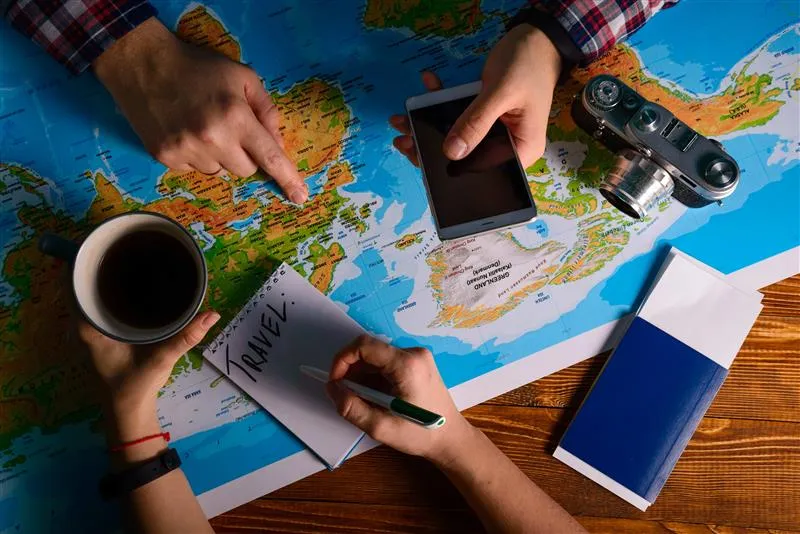
How Smart Trip Planning Helps Travelers Save Time and Travel Stress
Travel is supposed to feel like a break… yet planning it can feel like a second job. Between comparing flights, figuring out transportation, juggling reservations, and wondering “Did I miss something?”, excitement often turns into decision fatigue before the trip even begins.
And you’re not imagining it. A U.S. survey found that 71% of adults who make travel arrangements say the process is at least somewhat stressful, showing just how common planning-related anxiety really is. This stress usually comes from uncertainty—too many choices, unclear logistics, and the fear that one missed detail could unravel the entire trip.
That’s where smart trip planning comes in. It’s not about building rigid, hour-by-hour schedules (unless you love that). It’s about creating a system that protects your time, reduces surprises, and keeps travel days from becoming chaotic. Some travelers even visualize their plans by choosing or create an avatar that represents their “traveler self,” making the journey feel more intentional and easier to organize.
Let’s break down how smart planning can dramatically reduce travel stress while saving you valuable time.
What Smart Trip Planning Really Means
Smart planning isn’t about doing more—it’s about doing what matters most.
It focuses on:
- Clarity: You always know what’s happening next
- Flexibility: You’re prepared when things change
- Efficiency: You stop repeating research
- Confidence: You travel without second-guessing decisions
In short, smart planning replaces “I hope this works” with “I’ve got this covered.”
Why Smart Planning Saves Time Before You Even Leave
Most travelers spend a surprising amount of time just deciding.
Expedia Group research shows travelers spend over 5 hours (303 minutes) consuming travel-related content in the 45 days before booking. That doesn’t even include organizing confirmations, planning daily routes, or researching “how to get from airport to hotel” the night before departure.
Smart planning cuts this time by:
- Eliminating perfection paralysis
- Creating reusable planning systems for future trips
Once you’ve built a framework, your next trip becomes easier and faster to organize.
The 80/20 Rule of Stress-Free Trip Planning
You don’t need to plan everything—just the right things.
Here are the five elements that prevent most travel stress:
1. Anchor Your Trip With Fixed Points
These are non-negotiables:
- Arrival and departure times
- Hotel check-ins and check-outs
- Timed tickets and reservations
Action tip: Keep all fixed points in one place. Build everything else around them.
2. Build a “Travel Day Script”
Travel days are when stress peaks. Create a simple checklist:
- When to leave
- How you’ll get there
- Backup transport
- First meal plan after arrival
This removes decision-making when you’re tired or overwhelmed.
3. Add Time Buffers Like a Pro
Schedules break without breathing room.
Use these buffer rules:
- City transit: +15–25 minutes
- Airports: +30 minutes
- Attractions: +20–30 minutes
Tip: Each day, choose one must-do, two nice-to-dos, and keep the rest optional.
4. Create a One-Page Trip Dashboard
Your ultimate stress shield. Include:
- Transport details
- Lodging info
- Confirmation numbers
- Addresses
- Emergency contacts
- Mini daily itinerary
Save it offline so you’re never stuck without access.
5. Pre-Decide Your “Plan B”
Uncertainty causes panic. Plan B creates calm.
Examples:
- Late arrival? → Casual dinner near hotel
- Rainy day? → Markets + museum
- Sold-out attraction? → Neighborhood walking route
Even one backup option reduces anxiety dramatically.
Smart Planning Reduces Travel Anxiety
Travel stress isn’t only logistical—it’s emotional.
According to Travel Agent Central, 37% of travelers canceled or delayed a vacation due to stress, showing how deeply anxiety affects travel decisions.
On the brighter side, a U.S. Travel Association report revealed:
- 97% of people say having a trip planned makes them happier
- 82% say a booked trip significantly improves their mood
The takeaway? Planning itself can increase happiness—if done smartly.
A 30-Minute Smart Planning Routine
Short on time? Use this:
10 minutes: List trip anchors
10 minutes: Assign a theme to each day (food, culture, beach)
10 minutes: Add buffers + 1–2 backup swaps
You’ll have structure without pressure.
Plan for Flow, Not Perfection
Smart trip planning isn’t about controlling every detail. It’s about removing friction so your energy goes toward enjoying the experience—not managing chaos.
By focusing on key anchors, building simple routines, adding buffers, and preparing light backups, you replace stress with confidence and save hours of planning time.
Travel should feel exciting again—and with smart planning, it truly can.