P0430: Diagnosis to Cost-Effective Repairs
Modern vehicles are equipped with sophisticated systems to reduce emissions and improve fuel efficiency. One critical component of this system is the catalytic converter, which ensures that harmful exhaust gases are converted into less harmful substances. When your car triggers a P0430 code, it signals a potential problem with the catalytic converter’s efficiency on Bank 2.
Understanding P0430, its causes, effects, and solutions is essential for vehicle owners who want to maintain their car’s performance and prevent costly repairs.
What Does P0430 Mean?
P0430 code is defined as “Catalyst System Efficiency Below Threshold (Bank 2).” This means that the engine control module (ECM) has detected that the catalytic converter on Bank 2 is not operating efficiently.
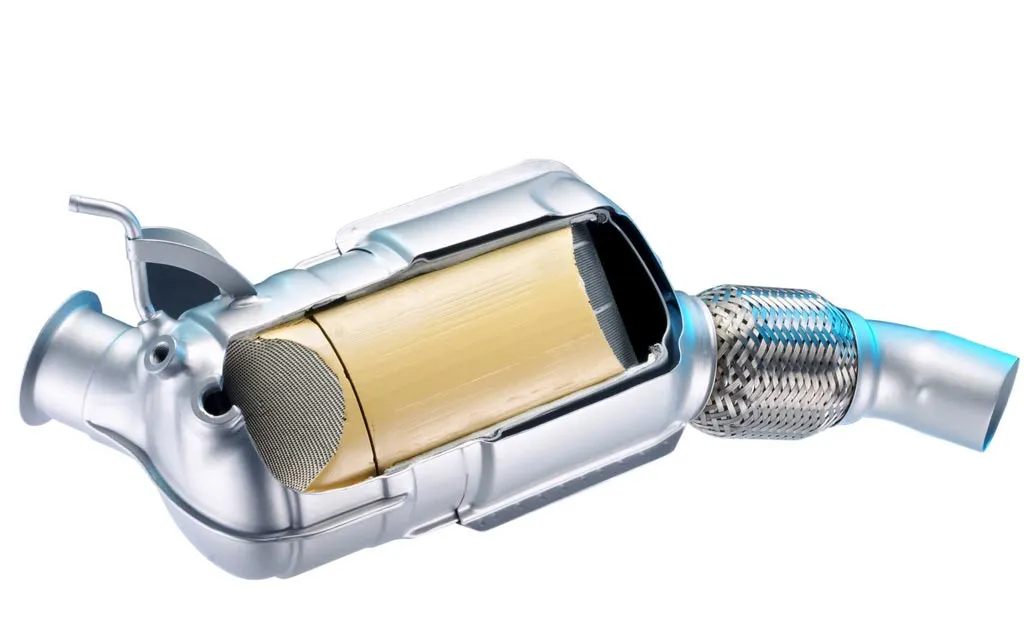
The catalytic converter’s role is crucial: it reduces nitrogen oxides (NOx), carbon monoxide (CO), and hydrocarbons (HC) in the exhaust. If it is not performing properly, your car may emit higher levels of pollutants, fail emissions tests, or experience decreased engine performance.
Bank 2 Explained
- Bank 1: Engine side with cylinder 1.
- Bank 2: The opposite side of a V-type engine (or specific side in certain inline engines).
A P0430 code specifically refers to Bank 2, indicating that the problem lies in the catalytic converter or oxygen sensors on that side.
Common Causes of P0430
The P0430 code can be triggered by a variety of reasons. Some are minor, while others require immediate attention to avoid further engine or exhaust damage.
Catalytic Converter Failure
The catalytic converter is the most frequent culprit behind P0430. Over time, converters can become clogged, contaminated, or physically damaged, reducing their ability to convert harmful gases.
Signs of a failing catalytic converter:
- Reduced acceleration or power
- Lower fuel efficiency
- Sulfur or rotten egg smell from the exhaust
Faulty Oxygen Sensors
Modern vehicles use oxygen sensors to monitor the efficiency of the catalytic converter. Bank 2 has both upstream and downstream sensors. If these sensors fail, the ECM may incorrectly detect poor converter performance.
Symptoms of bad oxygen sensors:
- Erratic fuel consumption
- Engine hesitation or misfire
- Inconsistent idling
Exhaust Leaks
Even a small exhaust leak can affect the oxygen sensor readings, leading to a P0430 code. These leaks often occur near the catalytic converter or in exhaust manifolds.
Engine Misfires
Unburned fuel from misfires can enter the exhaust system, causing the catalytic converter to overheat and fail over time. Common causes of misfires include:
- Faulty spark plugs
- Worn ignition coils
- Fuel injector problems
Contamination from Oil or Coolant
A leaking head gasket or worn piston rings can allow oil or coolant into the combustion chamber. This contaminates the catalytic converter, reducing its efficiency and triggering P0430.
Wiring and Electrical Issues
Damaged wiring or loose connectors for the Bank 2 oxygen sensors can prevent proper communication with the ECM. This may lead to false P0430 codes, even if the catalytic converter is functioning properly.
Symptoms of P0430
Recognizing the P0430 symptoms can help prevent further damage to your vehicle.
- Check Engine Light – The most common indicator.
- Decreased Fuel Efficiency – Poor converter performance reduces fuel economy.
- Engine Hesitation or Power Loss – The engine may feel sluggish during acceleration.
- Failed Emissions Test – Vehicles with this code often fail state inspections.
- Unusual Exhaust Smell – A rotten egg smell indicates sulfur buildup in the converter.
How to Diagnose P0430
Accurate diagnosis is critical to avoid unnecessary expenses. Mechanics follow a systematic approach:
Step 1: Full OBD-II Scan
Scanning the vehicle’s computer reveals all active and pending codes, which helps determine whether P0430 is isolated or part of multiple issues.
Step 2: Visual Inspection
- Check for disconnected or damaged oxygen sensors
- Inspect exhaust system for leaks, holes, or rust
- Look for physical damage to the catalytic converter
Step 3: Oxygen Sensor Testing
Mechanics measure the voltage and response time of upstream and downstream oxygen sensors. Proper functioning is essential for accurate catalytic converter monitoring.
Step 4: Catalytic Converter Testing
If sensors are working correctly, the catalytic converter may need testing using:
- Temperature differential testing (converter outlet should be hotter than the inlet)
- Backpressure testing (detecting clogs)
- Exhaust gas analysis (measuring emissions output)
Fixing P0430
The solution to P0430 depends on the underlying cause. Common solutions include:
Catalytic Converter Replacement
If the converter is clogged or damaged, replacement is often required. Always use a OEM-approved converter to ensure efficiency and regulatory compliance.
Oxygen Sensor Replacement
Replacing faulty Bank 2 oxygen sensors can sometimes resolve P0430 without touching the converter.
Repairing Exhaust Leaks
Sealing or replacing damaged exhaust pipes, gaskets, or manifolds can restore proper sensor readings.
Fixing Engine Misfires
Addressing spark plug, ignition coil, or fuel injector issues prevents unburned fuel from damaging the converter.
Repairing Wiring and Connectors
Inspecting and repairing damaged wiring ensures that oxygen sensors communicate correctly with the ECM.
Preventing P0430 in the Future
Proper maintenance and care can reduce the likelihood of encountering P0430:
- Regular Engine Maintenance – Replace spark plugs, air filters, and fuel filters on schedule.
- Use High-Quality Fuel – Poor fuel quality can damage the converter.
- Address Misfires Quickly – Prevents unburned fuel from entering the exhaust.
- Inspect Oxygen Sensors – Replace at manufacturer-recommended intervals.
- Monitor Engine Temperature – Overheating can damage the catalytic converter.
Costs Associated With P0430 Repairs
Repair costs for P0430 vary depending on the cause:
| Cause | Estimated Cost |
|---|---|
| Catalytic Converter | $900 – $2,500 |
| Oxygen Sensor Replacement | $150 – $400 |
| Exhaust Leak Repair | $100 – $500 |
| Engine Misfire Repair | $100 – $1,000+ |
Replacing a catalytic converter is the most expensive option but is often necessary if the issue persists.
Risks of Ignoring P0430
Leaving P0430 unresolved can cause several problems:
- Increased Emissions – Harmful gases released into the environment.
- Failed Emissions Tests – Legal consequences in regions with strict regulations.
- Engine Damage – Prolonged unburned fuel can harm engine components.
- Reduced Fuel Efficiency – Wasted fuel increases operating costs.
Real-Life Examples of P0430
- Example 1: A car owner noticed decreased acceleration and unusual exhaust smells. After diagnostics, a Bank 2 catalytic converter replacement solved the P0430 issue.
- Example 2: Another driver had a misfiring cylinder affecting Bank 2 oxygen sensors. Repairing the ignition system eliminated the P0430 code without replacing the converter.
These examples highlight the importance of proper diagnosis before replacing expensive components.
Conclusion
The P0430 code is a warning that your vehicle’s catalytic converter on Bank 2 is underperforming. Ignoring it can result in decreased performance, higher emissions, and costly repairs. Proper diagnosis, timely maintenance, and addressing engine or sensor issues promptly can resolve P0430 efficiently.
Maintaining your catalytic converter and oxygen sensors ensures a smoother ride, better fuel economy, and compliance with emissions regulations. Understanding P0430 allows car owners to take proactive measures, protecting both their vehicle and the environment.
FAQs About P0430
Can I continue driving with P0430?
Short-term driving is possible, but prolonged use can damage the catalytic converter and engine.
Is P0430 common in all vehicles?
It’s common in older vehicles or high-mileage cars, especially those with Bank 2 catalytic converters more exposed to heat stress.
Can P0430 reset on its own?
Rarely. Temporary sensor glitches may clear the code, but persistent issues require repair.
How long does it take to fix P0430?
Simple sensor replacement may take an hour, while catalytic converter replacement can take 2–4 hours.