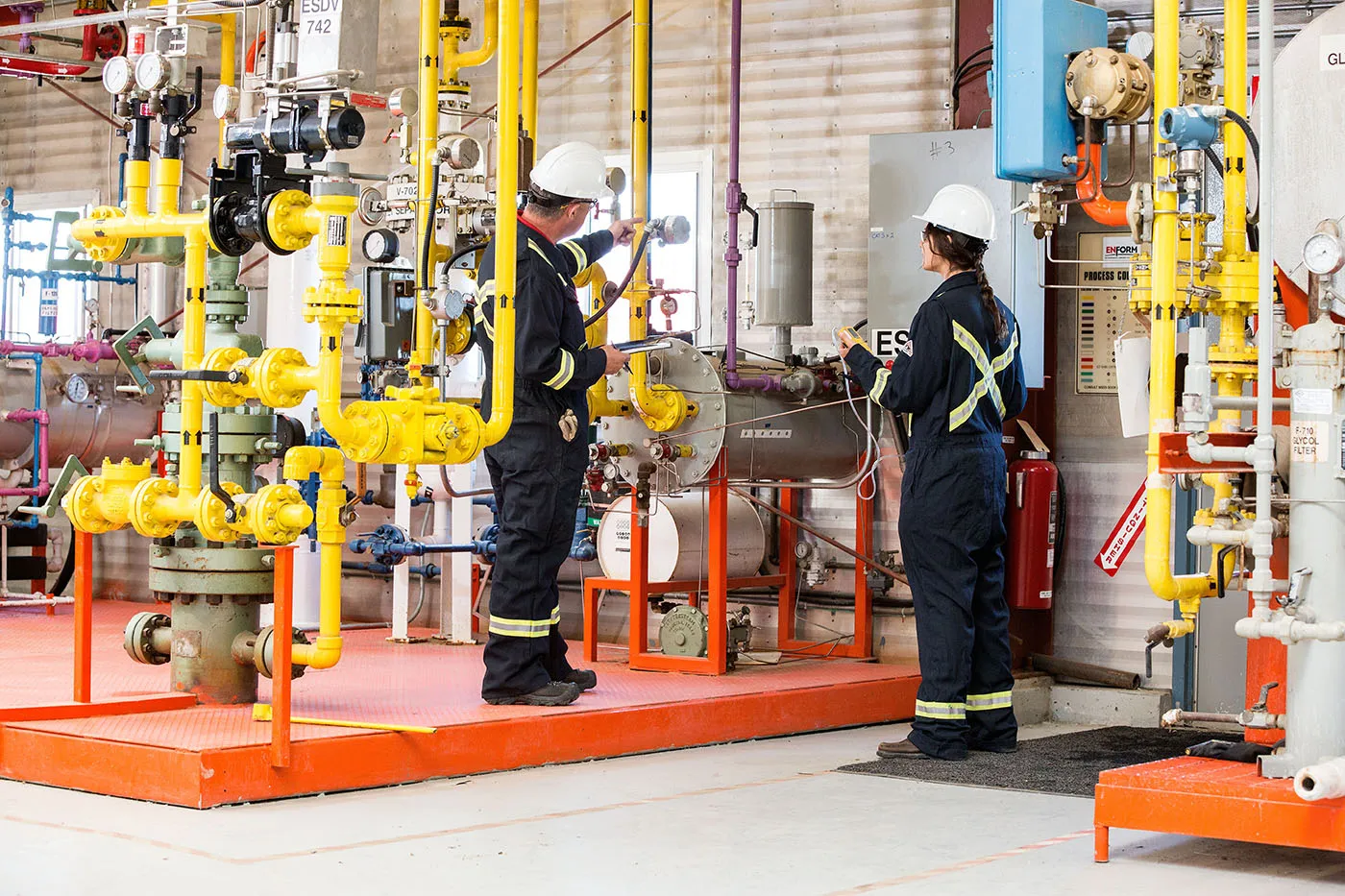
Plastic Processing Operator: A Complete Guide
The plastics industry plays a critical role in modern manufacturing, supplying materials used in packaging, automotive parts, medical devices, electronics, and everyday consumer goods. At the heart of this industry is a highly skilled professional known as the plastic processing operator. This role ensures that raw plastic materials are transformed into precise, high-quality finished products through advanced machinery and controlled processes.
This comprehensive guide explores everything you need to know about a plastic processing operator—from job responsibilities and required skills to career growth, working conditions, and future opportunities in the plastics manufacturing sector.
Who Is a Plastic Processing Operator?
Plastic processing operator is a trained manufacturing professional responsible for operating, monitoring, and maintaining machines that shape plastic materials into finished or semi-finished products. These machines may include injection molding machines, extrusion lines, blow molding equipment, and thermoforming systems.
The plastic processing operator ensures that production runs smoothly, safely, and efficiently while maintaining strict quality standards. Their work directly impacts product consistency, performance, and safety.
Plastic Processing Operator Responsibilities in Manufacturing
The responsibilities of a plastic processing operator can vary depending on the type of plastic process and industry, but core duties remain consistent across most production environments.
Key Responsibilities Include:
- Setting up plastic processing machines
- Monitoring temperature, pressure, and cycle times
- Loading raw plastic materials such as pellets or powders
- Adjusting machine settings for optimal output
- Inspecting finished products for defects
- Troubleshooting mechanical or material issues
- Performing routine machine maintenance
- Following safety and quality control procedures
A plastic processing operator must remain attentive throughout the production process, as even small errors can result in material waste or defective products.
Types of Plastic Processing Machines Operated
A skilled plastic processing operator may work with several types of machinery, depending on the factory setup and product requirements.
Injection Molding Machines
Used to create precise plastic parts by injecting molten plastic into molds.
Extrusion Machines
Produce continuous plastic products such as pipes, sheets, and films.
Blow Molding Machines
Commonly used to manufacture bottles and hollow containers.
Thermoforming Machines
Heat plastic sheets and shape them into trays, packaging, or casings.
Each machine requires specific knowledge, making adaptability an important trait for a plastic processing operator.
Essential Skills for a Plastic Processing Operator
To succeed as a plastic processing operator, individuals must possess a combination of technical skills, physical ability, and attention to detail.
Technical Skills
- Understanding of plastic materials and behavior
- Machine operation and control systems
- Basic mechanical troubleshooting
- Quality inspection techniques
Soft Skills
- Problem-solving ability
- Strong focus and concentration
- Time management
- Teamwork and communication
A reliable plastic processing operator balances speed with precision to meet production targets without compromising quality.
Education and Training for Plastic Processing Operator Roles
Most plastic processing operator positions require a high school diploma or equivalent. However, technical training significantly improves job prospects.
Common Training Paths:
- On-the-job training programs
- Vocational or technical school courses
- Certifications in plastics processing
- Apprenticeship programs
Some employers prefer candidates with experience in industrial manufacturing, but entry-level positions are often available for motivated learners.
Work Environment of a Plastic Processing Operator
A plastic processing operator typically works in a manufacturing plant or factory setting. The environment can be fast-paced and physically demanding.
Typical Conditions:
- Standing for long periods
- Exposure to heat from machines
- Loud production areas
- Shift-based work, including nights or weekends
Safety is a top priority, and operators are required to wear protective equipment such as gloves, goggles, and ear protection.
Importance of Safety for a Plastic Processing Operator
Safety awareness is essential for every plastic processing operator. Plastic machinery operates at high temperatures and pressures, making proper handling critical.
Key safety practices include:
- Following lockout and tagout procedures
- Keeping hands clear of moving parts
- Monitoring machine alarms
- Reporting hazards immediately
A safety-focused plastic processing operator helps prevent accidents, downtime, and costly equipment damage.
Quality Control and the Plastic Processing Operator
Product quality is directly influenced by the performance of a plastic processing operator. Operators conduct regular inspections to ensure products meet specifications.
Quality control tasks may include:
- Visual inspections for defects
- Measuring dimensions
- Testing product strength or flexibility
- Adjusting machine settings to correct flaws
Consistency is key, and experienced operators can identify issues before they escalate.
Career Growth Opportunities for Plastic Processing Operator
A career as a plastic processing operator offers strong growth potential within the manufacturing sector.
Possible Career Advancements:
- Senior plastic processing operator
- Machine technician
- Quality control inspector
- Production supervisor
- Process engineer (with further education)
With experience and additional training, operators can move into leadership or specialized technical roles.
Salary Expectations for a Plastic Processing Operator
The salary of a plastic processing operator depends on factors such as location, experience, and industry.
Influencing Factors:
- Level of machine expertise
- Shift type (night shifts often pay more)
- Industry specialization
- Certification and training
Experienced operators with advanced skills typically earn higher wages and enjoy greater job stability.
Industries That Employ Plastic Processing Operators
The demand for plastic processing operator roles spans multiple industries, including:
- Packaging manufacturing
- Automotive production
- Medical device manufacturing
- Consumer goods
- Construction materials
This wide application ensures long-term employment opportunities.
Challenges Faced by a Plastic Processing Operator
While rewarding, the role of a plastic processing operator comes with challenges.
Common challenges include:
- Managing machine malfunctions
- Maintaining concentration during long shifts
- Adapting to new technologies
- Meeting strict production deadlines
Successful operators develop resilience, technical confidence, and a proactive mindset.
Technology and the Future of Plastic Processing Operator Roles
Automation and smart manufacturing are reshaping the role of the plastic processing operator. Modern machines now feature digital controls, sensors, and data monitoring systems.
Future operators will need:
- Basic computer skills
- Understanding of automated systems
- Ability to interpret production data
Rather than replacing operators, technology enhances efficiency and precision, making skilled operators more valuable than ever.
Why Plastic Processing Operator Is a Valuable Career Choice
Choosing a career as a plastic processing operator offers several benefits:
- High demand across industries
- Opportunities for advancement
- Hands-on technical work
- Stable manufacturing employment
For individuals who enjoy working with machines and producing tangible results, this role is both practical and rewarding.
How to Become a Successful Plastic Processing Operator
Success as a plastic processing operator comes from continuous learning and dedication.
Tips for success include:
- Gaining hands-on experience
- Learning multiple machine types
- Staying updated with safety standards
- Developing problem-solving skills
Employers value operators who are reliable, adaptable, and quality-focused.
Final Thoughts on Plastic Processing Operator Careers
The role of a plastic processing operator is essential to modern manufacturing. From producing everyday household items to critical medical components, these professionals ensure that plastic products meet quality, safety, and performance standards.
As industries continue to evolve, skilled plastic processing operators will remain in demand. With the right training, mindset, and experience, this career offers long-term stability, growth, and the satisfaction of contributing to essential manufacturing processes.