Must-Follow Safety Rules for UTV Riders
Staying safe on a UTV is not just about wearing a helmet. It involves understanding how the vehicle handles, respecting the terrain, and making smart decisions before and during the ride.
The most important safety rules include using proper protective gear, controlling speed based on conditions, following trail guidelines, and staying alert at all times. When these habits are followed consistently, riders can reduce risks and enjoy a much safer experience.
UTV riding has grown in popularity across the United States, from desert trails in the Southwest to wooded paths in the Midwest. It is often seen as a fun and social activity, especially for group outings and team-building trips. Many companies now organize UTV tours for corporate events, which makes it even more important to follow safety rules when riding in groups with different experience levels.
Here are the most common mistakes you must avoid to ensure a safe and enjoyable UTV riding experience.
Wear the Right Protective Gear
Safety starts before the engine even turns on. Proper gear is essential because UTV rides often involve rough terrain, flying debris, and sudden movements.
A helmet is the most important piece of equipment and should always be worn. Eye protection, such as goggles or a visor, helps prevent dust and debris from affecting your vision. Gloves improve grip and control, especially on longer rides. Long sleeves, pants, and sturdy boots add another layer of protection against scratches, heat, and impact.
Understand the Vehicle Before Riding
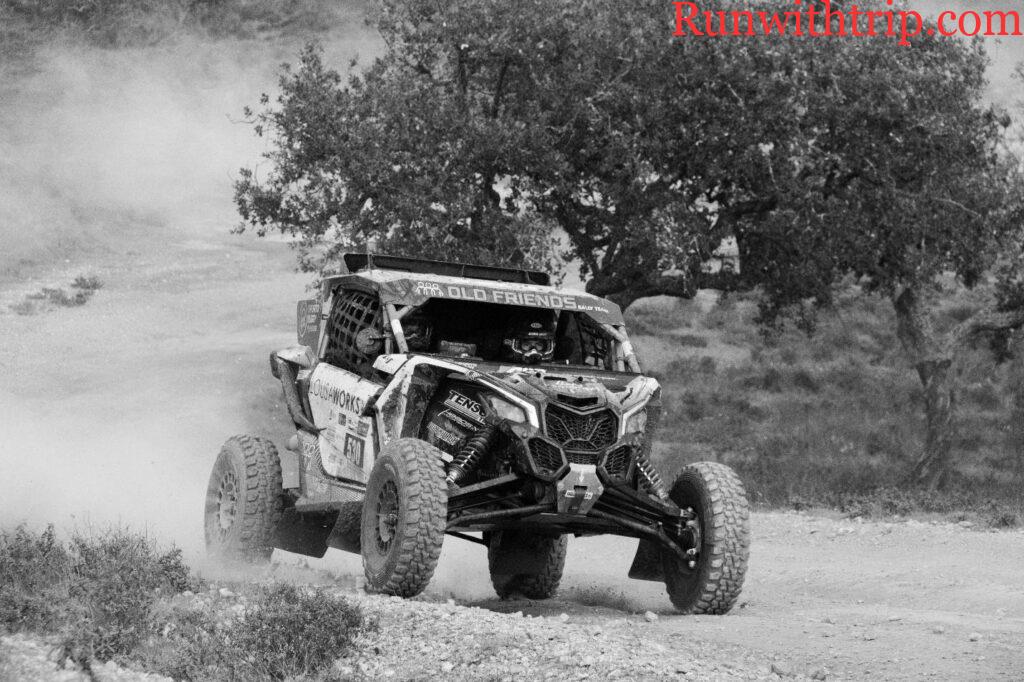
UTVs are not the same as regular cars. They are built for off-road use, which means they respond differently to turns, slopes, and obstacles.
Before heading out, take time to learn how the controls work. Understand how to accelerate smoothly, brake effectively, and steer on uneven ground. Many accidents happen because riders assume the vehicle will handle like a standard car. A short practice session can make a big difference in confidence and safety.
Adjust Your Speed to the Terrain
Speed should always match the conditions of the trail. Riding too fast is one of the most common causes of accidents.
On straight, open paths, you may feel comfortable going faster, but rough or narrow trails require slower, more controlled movement. Loose gravel, mud, and sand can reduce traction, making it easier to lose control. Slowing down when approaching turns or hills helps prevent rollovers and collisions.
Follow Marked Trails and Guidelines
Trail rules are designed to protect both riders and the environment. Ignoring them can lead to dangerous situations.
Stay on designated paths and follow posted signs. These trails are chosen for safety and accessibility. Going off-trail may expose you to hidden hazards like deep ruts, rocks, or unstable ground. It can also damage natural areas and lead to penalties.
Maintain Proper Seating and Balance
UTVs are designed with specific seating positions for a reason. Staying properly seated helps maintain balance and control.
Always wear your seat belt and keep your hands on the steering wheel. Passengers should remain seated and hold onto designated handles. Leaning too far or shifting weight suddenly can affect the stability of the vehicle, especially on uneven terrain.
Avoid Risky Behavior
Safe riding also means making responsible choices. Driving under the influence of alcohol or drugs is extremely dangerous and should never happen.
Distractions such as using a phone or not paying attention to the trail can also increase risk. Focus on the ride and be prepared to react quickly to changes in the environment.
Ride Smart in Groups
Group rides are common, especially on guided tours. While they can be fun, they require extra awareness.
Keep a safe distance from the vehicle in front of you to avoid sudden stops or collisions. Follow the lead rider or guide, and do not try to overtake others unless instructed. Group riding works best when everyone follows the same pace and rules.
Stay Aware of Surroundings
Outdoor environments can change quickly. Riders need to stay alert at all times.
Watch for other vehicles, wildlife, and unexpected obstacles. Weather conditions can also affect the trail, making it slippery or harder to navigate. Staying aware helps you respond quickly and avoid accidents.
By choosing the right trails, following essential precautions, and riding responsibly, groups can turn a simple outing into something truly memorable. This is especially important when organizing UTV tours for corporate events, where the focus is not just on adventure, but also on teamwork, coordination, and creating a positive shared experience for everyone involved.
Key Takeaways
- Safety involves more than just gear; it requires awareness and control.
- Understanding your UTV improves confidence and reduces risk.
- Speed should always match the terrain and conditions.
- Following trail rules protects both riders and the environment.
- Responsible behavior and focus are essential for safe riding.