Poly Mailers vs Kraft Bags vs Custom Boxes: The Ultimate Wholesale Clothing Packaging Showdown
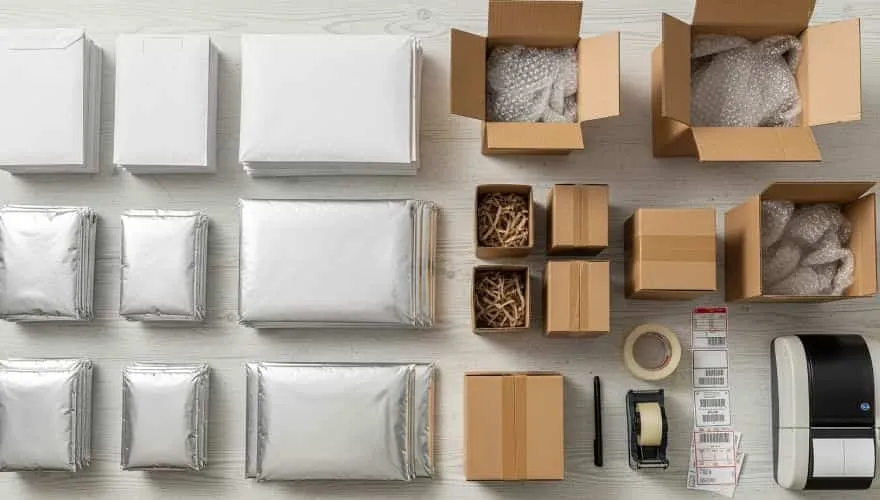
The packaging choice for clothing retailers extends far beyond simple protection during transit. Each packaging format carries distinct implications for operational efficiency, customer perception, and long-term business sustainability. Whether managing a small boutique or operating a large-scale e-commerce operation, the packaging decision directly affects fulfillment speed, storage requirements, shipping costs, and brand positioning.
Current market conditions have intensified the importance of strategic packaging decisions. Rising shipping costs, increased consumer expectations for sustainable practices, and the growing emphasis on unboxing experiences have transformed packaging from a purely functional consideration into a critical business component. The choice between poly mailers, kraft bags, and custom boxes requires careful evaluation of multiple operational factors that influence both immediate logistics and customer relationships.
Understanding the operational characteristics of each packaging type allows businesses to align their packaging strategy with specific operational requirements, customer demographics, and brand positioning goals. The decision affects inventory management, fulfillment workflows, and customer satisfaction in measurable ways.
Understanding Packaging Fundamentals for Clothing Retail
Clothing packaging serves multiple operational functions that extend beyond simple product protection. The packaging must accommodate various garment types, from delicate fabrics to structured items, while maintaining cost efficiency and supporting brand presentation. Effective wholesale packaging bags for clothes balance protection requirements with practical considerations like storage space, shipping weight, and fulfillment speed.
The packaging selection process involves evaluating how different formats interact with existing fulfillment systems. Some packaging types integrate seamlessly with automated packing equipment, while others require manual handling that can slow processing times. The choice also affects inventory storage, as different packaging formats have varying space requirements and stacking capabilities.
Material characteristics play a crucial role in determining suitability for different clothing categories. Lightweight fabrics may require minimal protection, while structured garments or items with embellishments need more robust packaging solutions. The packaging must also consider environmental factors during transit, including moisture protection and compression resistance.
Weight and Dimensional Considerations
Packaging weight directly impacts shipping costs, particularly for high-volume operations where small weight differences compound significantly. The dimensional weight calculation used by most carriers means that bulky packaging can dramatically increase shipping expenses, even for lightweight clothing items. This calculation method makes packaging efficiency a critical factor in maintaining competitive shipping rates.
Storage efficiency becomes particularly important for businesses managing large inventory volumes. Packaging that requires excessive warehouse space increases operational overhead and can limit inventory capacity. The ability to store packaging materials efficiently while maintaining easy access during fulfillment affects overall operational flow.
Protection Requirements by Garment Type
Different clothing categories have varying protection needs that influence packaging selection. Basic apparel like t-shirts or casual wear typically requires minimal protection against crushing or deformation. However, structured items such as blazers, dress shirts, or garments with delicate details need packaging that maintains shape and prevents damage during handling and transit.
Moisture protection becomes critical for certain fabric types and seasonal considerations. Natural fibers and premium materials can suffer significant damage from humidity or water exposure during shipping. The packaging must provide adequate moisture barriers while allowing for practical fulfillment processes.
Poly Mailers: Streamlined Efficiency and Cost Control
Poly mailers represent the most streamlined packaging option for clothing retailers, offering minimal weight addition and maximum space efficiency. These lightweight envelopes provide adequate protection for most clothing items while maintaining the lowest possible shipping weight. Their flexibility allows them to conform to various garment shapes without adding unnecessary bulk to shipments.
The manufacturing process for poly mailers allows for consistent quality and reliable sealing performance. The material provides moisture resistance and tear resistance sufficient for most clothing applications. However, the protection level remains limited compared to more robust packaging options, making them most suitable for items that can withstand some compression during transit.
Storage and handling efficiency make poly mailers particularly attractive for high-volume operations. They require minimal storage space, can be easily integrated into automated fulfillment systems, and allow for quick packing processes that support fast order processing times.
Operational Integration Benefits
Poly mailers integrate effectively with existing fulfillment infrastructure, requiring minimal modifications to packing stations or equipment. Their lightweight nature reduces strain on fulfillment staff and allows for higher packing speeds. The consistent size options available help standardize packing processes and reduce decision-making time during order fulfillment.
The material properties of poly mailers support reliable printing and labeling adhesion, ensuring that shipping labels remain secure throughout the delivery process. This reliability reduces issues with package identification and tracking that can create customer service complications.
Limitations and Considerations
The protection limitations of poly mailers become apparent with structured garments or items that require shape maintenance. Items can shift within the packaging, potentially leading to wrinkles or deformation that affects customer satisfaction. The thin material provides minimal cushioning against impacts during handling and sorting processes.
Brand presentation opportunities remain limited with basic poly mailers, though custom printing options can provide some branding benefits. The utilitarian appearance may not support premium brand positioning or create memorable unboxing experiences that drive customer engagement and repeat purchases.
Kraft Bags: Sustainable Appeal with Enhanced Presentation
Kraft bags offer a middle ground between basic protection and enhanced presentation, providing more substantial material thickness while maintaining relatively efficient shipping characteristics. The natural appearance of kraft paper aligns with growing consumer preferences for sustainable packaging options, supporting brands that emphasize environmental responsibility.
The material properties of kraft bags provide better cushioning than poly mailers while remaining lighter than rigid box options. The paper construction allows for superior printing quality, enabling more sophisticated branding and visual appeal. However, the material requires careful consideration of moisture protection, as kraft paper can compromise under wet conditions.
Manufacturing capabilities for kraft bags support various customization options, including handles, reinforced bottoms, and custom sizing. These features allow businesses to create packaging solutions that align more closely with specific operational needs and brand positioning requirements.
Environmental and Brand Positioning Advantages
The sustainability credentials of kraft bags resonate strongly with environmentally conscious consumers. According to the Environmental Protection Agency, paper packaging has well-established recycling infrastructure and biodegradability characteristics that support circular economy principles. This environmental advantage can become a competitive differentiator for brands targeting sustainability-focused customer segments.
Brand presentation opportunities expand significantly with kraft bags compared to basic poly mailers. The material accepts various printing techniques and finishing options, allowing for creative brand expression that enhances the unboxing experience. Custom printing can transform the packaging into a marketing tool that reinforces brand messaging and values.
Operational Considerations and Limitations
Storage requirements for kraft bags typically exceed those of poly mailers due to the thicker material and less flexible construction. The bags require more careful handling to prevent tears or damage before use, particularly in high-humidity environments where the paper material can soften.
Cost considerations include both material expenses and potential increases in shipping weight compared to poly mailers. The improved presentation and sustainability benefits must be weighed against the operational cost increases to determine overall value for specific business models.
Custom Boxes: Premium Protection and Brand Experience
Custom boxes represent the premium packaging option for clothing retailers, providing maximum protection and the greatest opportunity for brand differentiation. The rigid construction protects garments from compression, moisture, and impact damage throughout the shipping and delivery process. This protection level becomes particularly valuable for high-value items or garments that require shape maintenance.
The structural integrity of custom boxes supports sophisticated internal organization systems, including inserts, dividers, and specialized holders that maintain garment positioning during transit. These features enable businesses to deliver products in pristine condition while creating professional presentation that reinforces premium brand positioning.
Manufacturing flexibility for custom boxes allows for precise sizing that minimizes dimensional weight penalties while providing optimal protection. The ability to design boxes specifically for particular product categories or seasonal collections enables operational efficiency improvements that can offset higher material costs.
Brand Experience and Customer Loyalty Impact
The unboxing experience created by well-designed custom boxes significantly influences customer perception and loyalty. The substantial feel of quality packaging reinforces the value perception of the enclosed products and creates memorable experiences that customers often share through social media channels. This marketing benefit extends the value of packaging investment beyond pure operational considerations.
Custom boxes provide extensive opportunities for brand storytelling through design elements, messaging, and interactive features. The larger surface area and structural possibilities allow for creative packaging solutions that differentiate brands in competitive markets and justify premium pricing strategies.
Investment Requirements and Operational Complexity
The investment requirements for custom boxes include higher material costs, increased storage space needs, and potentially more complex fulfillment processes. Minimum order quantities for custom manufacturing may require significant upfront investment and careful inventory planning to avoid obsolescence.
Shipping weight and dimensional considerations can substantially increase delivery costs, particularly for lightweight clothing items where the packaging weight represents a significant percentage of total package weight. These cost implications must be carefully evaluated against the brand and protection benefits to ensure overall profitability.
Making Strategic Packaging Decisions
The optimal packaging choice depends on multiple business factors that extend beyond simple cost considerations. Companies must evaluate their customer demographics, brand positioning, operational capabilities, and long-term growth strategies when selecting packaging solutions. The decision affects multiple aspects of business operations and customer relationships.
Market positioning plays a crucial role in packaging selection, as different customer segments have varying expectations and preferences. Premium brands targeting affluent customers may justify custom box investments through enhanced perceived value, while price-sensitive market segments may prioritize cost efficiency over presentation features.
Operational integration requirements must align with existing fulfillment capabilities and planned expansions. Packaging choices that require significant infrastructure modifications or specialized handling processes may create implementation challenges that offset potential benefits.
Volume and Scale Considerations
Order volume significantly impacts the relative economics of different packaging options. High-volume operations can often justify custom packaging investments through economies of scale, while smaller businesses may find standard options more practical. The break-even points for premium packaging options vary based on specific operational characteristics and customer lifetime value calculations.
Seasonal fluctuations in order volume can affect packaging strategy, particularly for businesses with significant holiday or seasonal sales patterns. Flexibility in packaging options allows businesses to adjust their approach based on current operational demands and customer expectations during peak periods.
Testing and Optimization Approaches
Systematic testing of packaging options provides valuable data for making informed decisions. A/B testing different packaging types with similar customer segments can reveal preferences and impacts on customer satisfaction, return rates, and repeat purchase behavior. This data supports evidence-based packaging decisions rather than assumptions about customer preferences.
Continuous monitoring of key performance indicators including shipping costs, damage rates, customer feedback, and return rates helps identify optimization opportunities and validate packaging choice effectiveness. Regular evaluation ensures that packaging strategy remains aligned with evolving business needs and market conditions.
Conclusion
The choice between poly mailers, kraft bags, and custom boxes represents a strategic decision that affects multiple aspects of clothing retail operations. Each option provides distinct advantages and limitations that must be carefully evaluated against specific business requirements, customer expectations, and operational capabilities.
Successful packaging strategy requires alignment between brand positioning, customer demographics, and operational efficiency goals. Businesses targeting cost-conscious consumers may find poly mailers provide optimal value, while premium brands can justify custom box investments through enhanced customer experience and brand differentiation.
The packaging decision extends beyond immediate operational considerations to influence customer loyalty, brand perception, and long-term competitive positioning. Regular evaluation and optimization of packaging choices ensures that businesses maintain alignment with evolving market conditions and customer expectations while supporting sustainable growth and profitability.