Tsum Valley Trek Permits Explained: Costs Requirements Rules
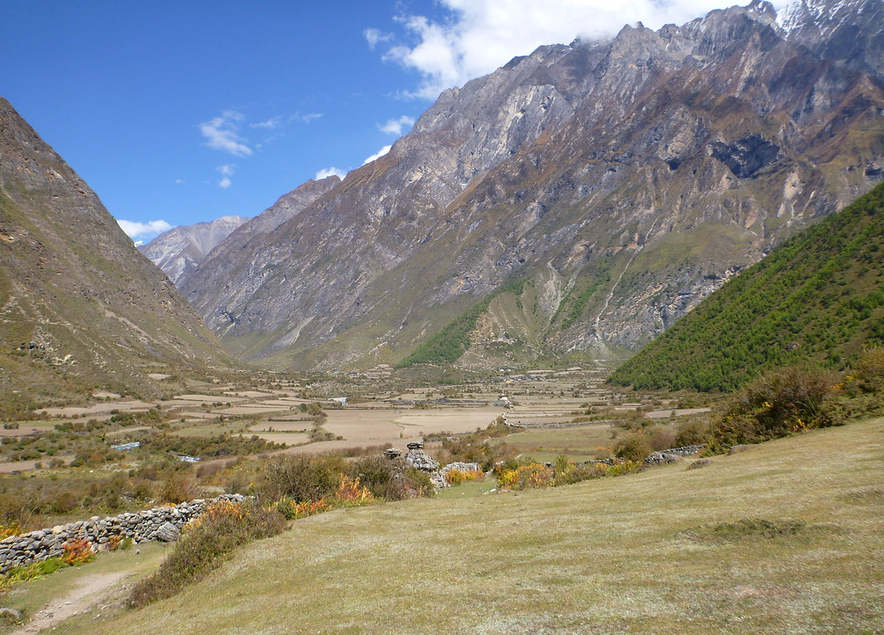
The Tsum Valley Trek is a culturally diverse and less-visited Himalayan trip in Nepal. This trek is in the northern region of the Gorkha district, which borders Tibet, and this trek takes one into one of the most holy Himalayan valleys, whose monuments lie in the ancient Buddhist culture, the Tibetan mountains, and Buddhist culture.
Due to the cultural sensitivity and the protection provided to the area, trekkers must obtain special permits before entering the area. Knowing the Tsum Valley Trek procedures, their expenses, necessities, and regulations will help one to have a legal and efficient trekking experience.
This is the guide that talks about all that you need to know about Tsum Valley Trek permits, so that you can plan with much confidence.
Why Permits Are Required for the Tsum Valley Trek
The Government of Nepal has given the Tsum Valley a restricted area status. The status contributes to the fragile culture, environment, and heritage of the region.
The Tsumbas are an ethnic group of Tibetan Buddhists who live in the valley, and hundreds of years later, they continue to follow their culture. The government will demand special permits for anyone trekking in the area as a way of safeguarding the Tsumbas’ way of life and being responsible in the management of the tourism industry.
The permits also assist the authorities in determining the number of visitors, safety, and local development by the tourism revenues. It is against the law to trek without the necessary permits, as it may impose fines or send one off the trail.
Types of Tsum Valley Trek Permits Required
Trekking companies have to acquire three permits for you to complete the Tsum Valley Trek legitimately. Each of them has its purpose, and all of them are compulsory.
Restricted Area Permit (RAP) for Tsum Valley
The Tsum Valley Trek requires the most crucial permit, the Restricted Area Permit. It is particularly issued to trek in the area past Jagat village and in the upper portion of the Tsum Valley. This permit regulates entry to the restricted area and makes sure that the trekkers use a licensed guide.
The Tsum Valley Restricted Area Permit is priced depending on the season. During the high season (September to November), when trekking season is in full swing, the permit fee is USD 40 per head during the first seven days of the trek. You will pay an extra USD 7 per person per day if you stay longer. Between December and August, the price will be USD 30 per day within the first seven days, and USD 7 per day on additional days.
This permit cannot be issued to individual trekkers because it can only be issued by a registered trekking agency in Nepal.
Manaslu conservation area permit (MCAP)
The Tsum Valley is located in the Manaslu Conservation Area, and the Manaslu Conservation Area Permit is required. This permit assists in financing conservation projects, wildlife protection, and sustainable tourism projects in the area.
The price of the MCAP is NPR 3,000 per individual or USD 25. This permit is mandatory without consideration of the season and can be procured in Kathmandu or at official permit check points, but the majority of the trekkers will have it through their trekking agency.
Annapurna Conservation Area Permit (ACAP)
Part of the Tsum Valley Trek itinerary can be covered by the Annapurna Conservation Area, in particular, where the trek passes on to the Manaslu Circuit or out of the Annapurna region. The Annapurna Conservation Area Permit is also necessary in such situations.
The ACAP is charged at NPR 3,000 per person, and this is similar to MCAP. It is not required on all the Tsum Valley trails, but most of the itineraries include it to prevent complications in the checkpoints.
Who Is Eligible to Trek in Tsum Valley
Individual trekkers are not allowed in the Tsum Valley Trek. Nepal’s policy on trekking insists that there must be at least two trekkers and all the trekkers must have the Restricted Area Permit. Besides this, the employment of a trekking guide who has been licensed by the government is compulsory.
Solo trekkers are not allowed to make permits individually. Every permit should be done with a registered Nepali trekking company that provides the guide and will give the documentation.
Required Documents for Tsum Valley Trek Permits
In order to submit Tsum Valley Trek permits applications, a valid passport with not less than six months of validity will be required. You should also submit an authentic Nepal Tourist visa. Depending on the agency, passport-sized photos can be needed, but in most cases, the digital copies can be used.
The application process will require your trekking agency to provide your itinerary, date of entry, date of exit, and the names of the guides. Your itinerary should be correct since the date of permits is highly controlled at the checkpoints.
Rules and Regulations You Must Follow
There are certain rules that have to be adhered to by all those visiting the Tsum Valley during the trek. At the trail, such rules are checked at several points.
Every trekker should be accompanied by a licensed guide throughout the restricted area. They do not allow independent trekking. The permit to stay is valid only for the dates mentioned, and it is not permitted to overstay or be without the required permission.
Trekkers will have to carry original permits as well as photocopies, which will be verified at villages like Jagat and Chumling. The loss of a permit may lead to significant delays and inconveniences.
The local culture needs to be respected. The Tsum Valley is a holy Buddhist area, and acts like slaughtering animals, hunting, and assaulting religious places are highly forbidden. It is possible that photography within monasteries is limited and is only to be performed with permission.
Where and How to Get Tsum Valley Trek Permits
Tsum Valley Trek permits are given out in Kathmandu in authorised government offices, and the trekkers are not allowed to apply personally. The whole process will be done by your trekking agency in terms of paperwork, payments, and dealing with authorities.
The Nepal Tourism Board issues the conservation area permits, and the Department of Immigration issues the Restricted Area Permit. The process takes most of the agencies an average of one or two working days, with all the documents in order.
You are advised to make the arrangements for permits at least a couple of days before the start of your trek to prevent problems at the last moment, particularly in particular seasons.
Elevation and Permit Checkpoints Along the Trek
The Tsum Valley Trek is a slow progression of lower hills to the high Himalayan land. The route runs across various villages and checkpoints where one has to check the permits.
The primary entry checkpoint into the restricted area is Jagat, which is approximately 1,340 meters (4,396 feet). Farther north, there are also checks conducted in the villages such as Chumling at a height of about 2,386 meters (7,828 feet) and Chhokang Paro at about 3,031 meters (9,944 feet) as well.
Mu Gompa, located at approximately 3,700 metres (12,139 feet), is one of the highest places during the trek. Although they do not need any new permits at the higher altitudes, you need to bring your documents with you during the trek.
Best Time to Trek and How It Affects Permit Costs
The Tsum Valley Trek is best done in spring (March to May) and autumn (September to November). The weather remains stable during these months, skies are clear, and views of the mountains are best during these months.
The accommodation is more expensive in the autumn and spring seasons because of the high demand. During the winter season, the places can be visited, but it is extremely difficult as there are snowfalls and in high altitudes, above 3,000 meters (9,843 feet). During the monsoon season, there are rains and landslides, but the cost of permits is cheaper during this season.
Irrespective of season, there are no special permit regulations, and all trekkers have to live by area prohibited rules.
Common Mistakes to Avoid with Tsum Valley Trek Permits
The first error is believing that the Tsum Valley Trek is something one can do on his/her own. Trying to walk without permission or a guide might lead to being sent back at the checkpoints.
The other problem is the wrong dates of itinerary. In case you make a longer trip than projected, your permit can run out. Buffer days must be included in the permits.
Other trekkers also forget that route-permitted permits are route-specific. Switching the exit route without sufficient permission may bring difficulties with the officials.
Conclusions
The necessary knowledge of the Tsum Valley Trek permits is one of the most important steps in organising this unique Himalayan trip. Although one might find the process to be complicated initially, it is easy when one has a trusted trekking agency. The permits ensure legal access and also help to save the spiritual heritage of the valley and the clean environment.
The Tsum Valley Trek presents a unique chance of having an untouched Himalayan culture, dramatic scenery, and serene monasteries in high altitudes. The responsible way of trekking is to observe the permit requirements and local rules and to ensure the protection of this sacred valley for future generations.
The Tsum Valley Trek is an adventure that is hard to forget, with the right preparation and the right permits in possession, and not just a simple walk in the mountains, but a lifetime memory