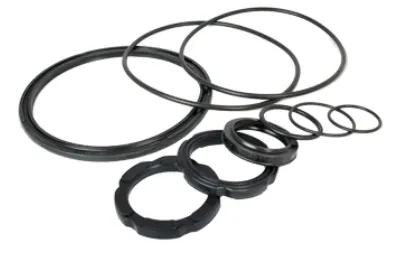
10 Pneumatic Cylinder Seal Kit Specifications Every Procurement Manager Gets Wrong
Industrial equipment procurement demands precision, yet pneumatic cylinder seal selection continues to generate costly mistakes across manufacturing operations. When seals fail prematurely, production lines stop, maintenance teams scramble, and budgets absorb unexpected repair costs. The challenge extends beyond simple part replacement—incorrect seal specifications create cascading effects that impact equipment reliability, operational consistency, and long-term maintenance planning.
Manufacturing environments place intense demands on pneumatic systems, where cylinder seals must withstand varying pressures, temperatures, and chemical exposures while maintaining consistent performance over extended periods. Procurement decisions made without full understanding of operational requirements often result in seal failures that could have been prevented through more informed specification processes.
The complexity of modern pneumatic applications means that traditional procurement approaches—relying on basic part numbers or vendor recommendations—frequently miss critical compatibility factors. Understanding these common specification errors helps procurement teams make decisions that support both immediate operational needs and long-term equipment reliability.
Temperature Range Assumptions That Lead to Seal Failures
Operating temperature specifications represent the most frequently misunderstood aspect of pneumatic cylinder seal kit selection. Many procurement managers focus solely on ambient facility temperatures, overlooking the heat generated by pneumatic compression cycles and friction within cylinder assemblies during operation.
Pneumatic cylinders experience temperature fluctuations that extend well beyond environmental conditions. Rapid compression and decompression cycles generate heat, while continuous operation can elevate internal temperatures significantly above facility ambient levels. Additionally, external heat sources such as nearby furnaces, welding operations, or heated manufacturing processes create localized temperature conditions that standard facility measurements do not capture.
Heat Generation During High-Cycle Operations
Continuous cycling operations generate internal heat through compression dynamics and seal friction against cylinder walls. This heat accumulation becomes particularly problematic in applications with rapid cycle times or high-pressure operations, where seals experience repeated expansion and contraction cycles. The cumulative effect of this thermal cycling can push seal materials beyond their design limits, causing premature hardening, cracking, or dimensional changes that compromise sealing effectiveness.
Environmental Temperature Variations
Seasonal temperature swings and localized heating sources create operating conditions that differ substantially from controlled facility environments. Equipment positioned near loading docks, outdoor installations, or heat-generating machinery encounters temperature ranges that may exceed standard seal material capabilities. These variations require seal materials with broader temperature tolerance ranges and enhanced thermal stability characteristics.
Pressure Rating Miscalculations in System Design
Pressure specifications often reflect system operating pressures without accounting for pressure spikes, surge conditions, or safety margin requirements that occur during normal operations. This oversight leads to seal selections that appear adequate based on standard operating parameters but fail when exposed to real-world pressure variations.
Dynamic pressure conditions in pneumatic systems include pressure surges during startup sequences, rapid directional changes, and load variations that create momentary pressure spikes well above normal operating levels. These transient pressure events, while brief, can exceed seal design limits and cause immediate or progressive seal damage that manifests as gradual performance degradation.
Surge Pressure Events and Their Impact
Pneumatic systems experience pressure surges during valve switching, rapid load changes, and startup sequences that can momentarily exceed normal operating pressures by substantial margins. These surge events place stress on seal materials and can cause extrusion damage or seal displacement within cylinder grooves. The frequency and magnitude of these pressure events determine the cumulative stress load on seals over time.
Safety Margin Requirements for Reliable Operation
Industry standards recommend pressure safety margins that account for operational variations and system aging effects. However, procurement specifications often reflect exact operating pressures without incorporating these safety factors. This approach leaves no cushion for pressure variations or component aging, increasing the risk of seal failure as systems experience normal wear and operational changes over time.
Chemical Compatibility Oversights in Multi-Application Environments
Chemical compatibility assessments frequently focus on primary process fluids while overlooking secondary chemical exposures that occur in industrial environments. Cleaning agents, lubricants, hydraulic fluids from adjacent equipment, and atmospheric contaminants can interact with seal materials in ways that compromise their performance and longevity.
Manufacturing facilities typically contain multiple chemical environments where pneumatic equipment may encounter various substances through direct contact, vapor exposure, or cross-contamination from nearby processes. According to the Occupational Safety and Health Administration, industrial workplaces often contain complex chemical mixtures that require comprehensive compatibility evaluation for equipment materials.
Cross-Contamination from Adjacent Systems
Pneumatic cylinders operating near hydraulic systems, coolant lines, or chemical processing equipment may experience contamination from fluid leaks, vapor exposure, or cleaning solution contact. These secondary exposures can cause seal swelling, chemical degradation, or loss of elasticity that leads to sealing failures. The cumulative effect of multiple chemical exposures often proves more damaging than any single substance would cause individually.
Cleaning and Maintenance Chemical Interactions
Routine maintenance procedures involve cleaning agents, degreasers, and solvents that come into contact with pneumatic cylinder seals during equipment servicing. Some cleaning chemicals that effectively remove contamination may also attack certain seal materials, causing them to become brittle, swell, or lose their sealing properties over time. This interaction between maintenance procedures and seal chemistry requires consideration during specification development.
Dynamic vs Static Application Requirements
Seal specifications often fail to distinguish between static sealing applications and dynamic sealing requirements, leading to material selections that perform adequately under stationary conditions but fail when subjected to continuous movement and friction. This distinction affects material hardness, surface finish requirements, and lubrication needs.
Dynamic sealing applications subject seals to continuous abrasion, friction heating, and mechanical stress that static applications do not experience. The material properties that provide excellent static sealing performance may not translate to reliable dynamic operation, particularly in high-cycle applications where seals must maintain their sealing effectiveness through millions of operational cycles.
Friction and Wear Characteristics
Dynamic applications generate friction between seals and cylinder surfaces that can cause heat buildup, material wear, and gradual seal degradation. The rate of this wear depends on surface finishes, lubrication conditions, and seal material properties. Poor material selection for dynamic applications results in excessive wear rates, increased friction, and eventual seal failure as sealing surfaces deteriorate.
Lubrication System Compatibility
Dynamic sealing applications often require specific lubrication systems to minimize friction and extend seal life. However, seal materials must remain compatible with lubricants while maintaining their sealing properties. Some lubricants that reduce friction effectively may cause certain seal materials to swell or soften, compromising their ability to maintain proper sealing contact with cylinder surfaces.
Surface Finish and Groove Specification Errors
Surface finish requirements and groove specifications directly impact seal performance, yet these parameters often receive insufficient attention during procurement planning. Improper surface finishes can cause premature seal wear, while incorrect groove dimensions prevent seals from achieving proper compression and sealing contact.
The relationship between seal materials and mating surface characteristics determines long-term sealing effectiveness and seal life. Rough surfaces accelerate seal wear, while surfaces that are too smooth may not provide adequate friction to prevent seal rotation or extrusion under pressure.
Surface Roughness Impact on Seal Life
Cylinder bore surface roughness affects seal wear rates and sealing effectiveness through direct contact with seal surfaces. Excessive roughness creates abrasive conditions that accelerate seal wear, while insufficient surface texture may allow seals to slip or rotate within their grooves. The optimal surface finish depends on seal material properties and application requirements.
Groove Dimension Tolerances and Seal Performance
Seal groove dimensions must provide proper seal compression while allowing for thermal expansion and pressure deformation. Grooves that are too deep reduce seal compression and sealing effectiveness, while grooves that are too shallow can cause seal damage during installation or operation. These dimensional relationships require precise specification to ensure reliable sealing performance.
Installation and Maintenance Accessibility Considerations
Procurement specifications often overlook installation requirements and maintenance accessibility factors that affect long-term operational costs and equipment reliability. Seals that perform well technically may prove difficult to install properly or replace efficiently, leading to increased maintenance time and higher risk of installation-related failures.
Equipment design and installation constraints can limit access to pneumatic cylinders, making seal replacement procedures more complex and time-consuming. These accessibility limitations require consideration during seal selection to ensure that maintenance procedures remain practical and cost-effective over equipment life cycles.
Installation Complexity and Training Requirements
Some seal designs require specialized installation tools or techniques that may not align with existing maintenance capabilities. Complex installation procedures increase the risk of installation errors that can cause premature seal failure or equipment damage. Seal selection should consider the skill level and equipment available to maintenance personnel who will perform installation and replacement procedures.
Replacement Frequency and Inventory Management
Different seal materials and designs exhibit varying service life characteristics that affect maintenance scheduling and inventory requirements. Seals with shorter service intervals may provide lower initial costs but require more frequent replacement, increasing long-term maintenance costs and inventory carrying requirements. These lifecycle considerations should influence procurement decisions alongside initial acquisition costs.
Quality and Testing Standard Misunderstandings
Quality standards and testing requirements for pneumatic seals vary significantly across industries and applications, yet procurement specifications often rely on generic standards that may not address specific operational requirements. This mismatch between standard test conditions and actual operating environments can result in seals that pass standard tests but fail in specific applications.
Industry-specific quality standards address different performance criteria and testing methods that reflect particular application requirements. Generic standards may not capture the unique stress conditions, chemical exposures, or performance requirements of specialized industrial applications.
Industry-Specific Performance Requirements
Different industries place varying demands on pneumatic cylinder seals based on their operational environments and performance requirements. Food processing applications require different material certifications than automotive manufacturing, while pharmaceutical operations have contamination standards that differ from general industrial applications. These industry-specific requirements must be reflected in procurement specifications.
Testing Conditions vs Real-World Performance
Standard testing procedures may not replicate the specific combination of temperature, pressure, chemical exposure, and dynamic conditions present in actual applications. Seals that perform well under standard test conditions may exhibit different performance characteristics when exposed to real-world operating environments that combine multiple stress factors simultaneously.
Long-Term Cost Analysis Shortcomings
Procurement decisions frequently focus on initial acquisition costs without adequately considering total cost of ownership factors that include maintenance requirements, replacement frequency, downtime costs, and performance consistency over equipment life cycles. This short-term focus can result in higher overall costs despite lower initial purchase prices.
Total cost analysis for pneumatic cylinder seals must account for direct costs such as seal prices and installation labor, as well as indirect costs including production downtime, emergency repairs, and inventory carrying costs. The relationship between these cost factors often favors higher-quality seals that provide longer service life and more reliable performance.
Downtime Cost Calculations
Production downtime costs associated with seal failures often exceed seal replacement costs by substantial margins, particularly in continuous manufacturing operations. These downtime costs include lost production value, labor costs for emergency repairs, and potential impacts on delivery schedules or customer commitments. Accurate cost analysis must quantify these downtime risks and their relationship to seal reliability.
Inventory and Supply Chain Considerations
Seal selection affects inventory requirements, supplier relationships, and supply chain complexity through standardization opportunities and availability considerations. Standardizing on fewer seal types can reduce inventory costs and simplify maintenance procedures, while selecting readily available seal types reduces the risk of supply disruptions that could extend equipment downtime.
Conclusion
Effective pneumatic cylinder seal specification requires comprehensive understanding of operational requirements that extend beyond basic dimensional and pressure parameters. The most costly procurement mistakes stem from incomplete analysis of operating conditions, inadequate consideration of long-term performance requirements, and insufficient attention to total cost of ownership factors.
Successful seal procurement strategies integrate technical performance requirements with practical considerations including installation procedures, maintenance accessibility, and supply chain reliability. This comprehensive approach helps ensure that seal selections support both immediate operational needs and long-term equipment reliability goals.
By addressing these common specification errors systematically, procurement managers can reduce seal-related failures, minimize unplanned downtime, and optimize maintenance costs across their pneumatic systems. The investment in thorough specification development typically yields significant returns through improved equipment reliability and reduced operational disruptions.
Disclaimer
The information provided in this article is for general informational and educational purposes only. Pneumatic cylinder seal specifications, materials, and performance requirements may vary depending on equipment design, operating conditions, and manufacturer recommendations. Procurement decisions should be made in consultation with qualified engineers, equipment manufacturers, or technical specialists to ensure proper compatibility and safety. The author and publisher are not responsible for any equipment damage, operational losses, or other issues that may arise from the application of the information presented in this content.