Best time to visit Hawaii: how to pick the right season for your trip
Quick answer: The best time to visit Hawaii for most travelers is spring or fall, when the weather is warm, the crowds are thinner, and prices are generally lower than in peak summer and winter. Winter is best for whale watching and big surf, while summer suits families on school breaks. Pick the season that matches what you want most.
Hawaii is one of the few destinations in the United States where there is no truly bad month to visit. The islands stay warm all year and the ocean is inviting in every season. The real differences are how busy the beaches are, how much you will pay, and which experiences are at their best. Different travelers will get different answers.
What is the best time to visit Hawaii overall?
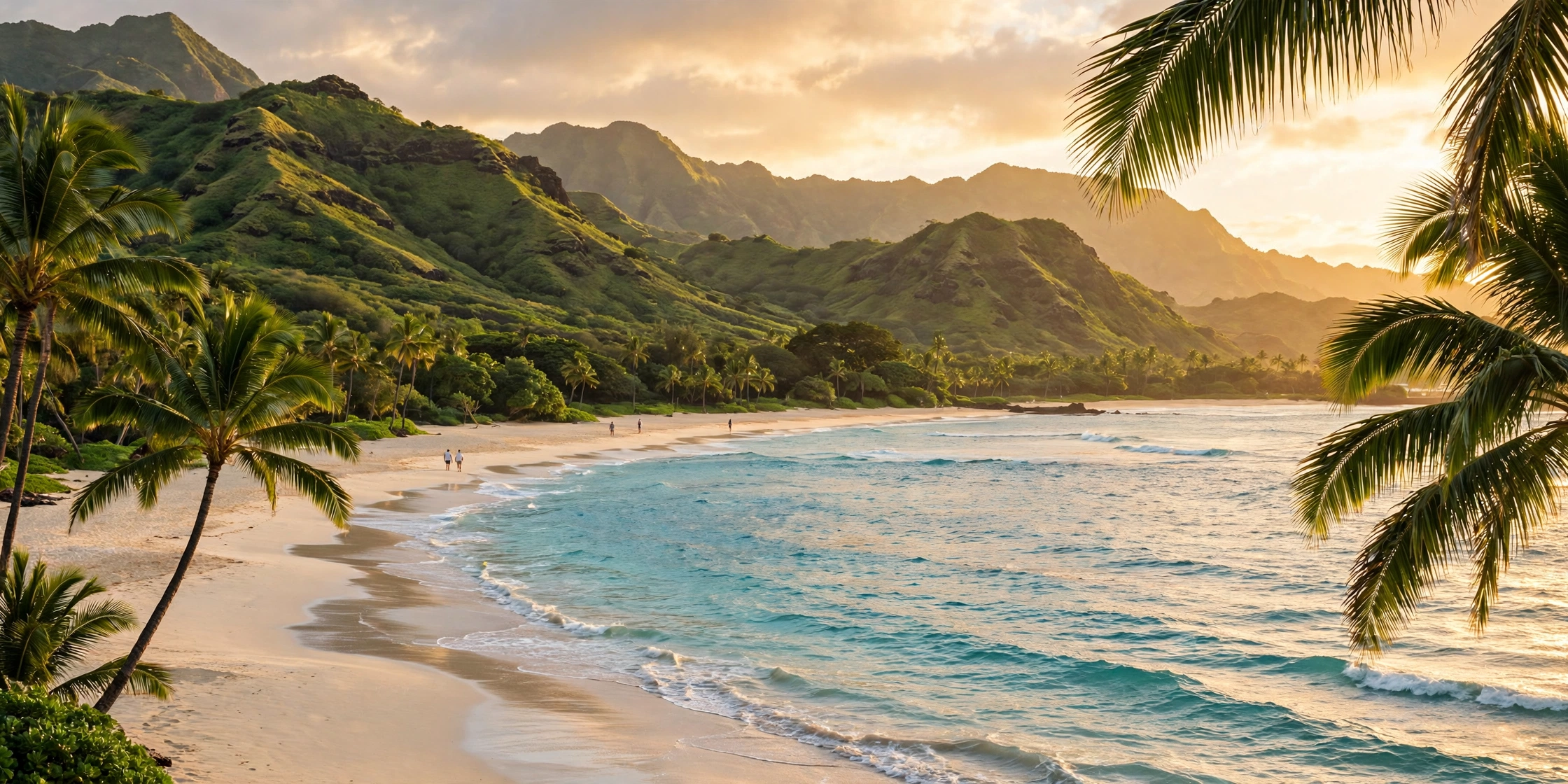
For most travelers, the best time to visit Hawaii is late spring or early fall. In spring, roughly April through early June, the winter crowds have gone home and the weather is warm and sunny. In fall, roughly September through early November, the summer rush has faded and the ocean is warm. These shoulder seasons are the sweet spot: good weather, fewer people, and generally better value.
That said, the “best” month depends on your priorities. If your dates are fixed by school breaks or work, do not worry — Hawaii works well in every season.
One practical point applies in every season: Hawaii is a long flight from most of the mainland United States, often five hours or more in the air. The guide to the best airlines for long flights covers seat choices and comfort tips for the journey, especially if you are flying with children.
What is Hawaii like in spring?
Spring in Hawaii, from March through May, is one of the most pleasant times to be on the islands. The days are warm and sunny, the trade winds keep the air fresh, and the landscapes are lush and green after the wetter winter months. Flowers are blooming, waterfalls are flowing, and trails are at their greenest. It is a wonderful season for outdoor days — walking, hiking, snorkeling, and exploring — without the summer crowds.
March can still feel busy, because spring break brings a wave of visitors to the popular beaches and resorts. If you can travel in April or May instead, you will usually find thinner crowds and calmer beaches. Late spring is also good for snorkeling, with generally calmer water on sheltered shores. Pack light layers for cooler evenings and passing showers.
What is Hawaii like in summer?
Summer in Hawaii, from June through August, is the busiest season of the year. Families travel during school breaks, so the popular beaches, resorts, and attractions are at their fullest. The weather is warm and mostly dry, with long sunny days ideal for swimming and snorkeling. The ocean is generally calm on the sheltered southern shores, which makes summer great for families with young children who want gentle water.
The trade-off is crowds and cost: fuller flights, higher demand for hotels and rentals, and longer waits at popular restaurants. If you travel in summer, book early — reserve flights and stays well in advance — and consider staying slightly away from the busiest resort areas for quieter mornings. Plan beach time early in the day, before the midday crowds arrive, and save afternoons for shaded hikes, museums, or farmers markets.
What is Hawaii like in fall?
Fall in Hawaii, from September through November, is the quietest season of the year — and for many experienced travelers, the best. The summer crowds have gone home and the islands settle into a slower rhythm. The ocean is warm after a summer of sunshine, the days are still long and bright, and the beaches feel spacious again. It is an excellent season for swimming, snorkeling, and paddleboarding.
Fall is also one of the best times to find value. With demand lower, flights and stays are generally easier to book and often more affordable — a smart choice for longer trips and honeymoons. If you are staying for a week or more, the guide on how to choose the right accommodation for extended stays covers the amenities that make a longer Hawaii stay comfortable. Fall is still warm and the sun is strong, so bring reef-safe sunscreen, a hat, and water for hikes. Afternoon showers are possible but usually pass quickly.
What is Hawaii like in winter?
Winter in Hawaii, from December through February, brings the biggest waves, the most famous wildlife, and the highest visitor numbers of the year. The weather stays warm, but the islands see more rain than in summer, and the ocean on north-facing coasts turns rough. That is what draws surfers from around the world: winter is the season of big surf and surf competitions.
Winter is also whale season. Humpback whales migrate to Hawaii’s warm waters to breed and give birth, and whale watching from the shore or a boat tour is one of the most memorable experiences the islands offer. The downside of winter is peak season: the weeks around Christmas, New Year, and mid-winter school breaks are the busiest and most expensive time to visit Hawaii. If you travel in winter, book as early as you can, and consider early December or late January, when the holiday rush has eased.
When is the cheapest time to visit Hawaii?
The cheapest time to visit Hawaii is usually late spring and fall, the same shoulder seasons that offer the best balance of weather and crowds. Mid-April through early June and September through early November tend to bring the lowest demand, which generally means better fares and more choice. January, just after the holiday rush, can also be good value if you are flexible.
The most expensive times are the peaks: the weeks around Christmas and New Year, mid-winter school breaks, and the heart of summer. If your dates fall in one of those windows, book early, fly midweek, and choose your island and neighborhood carefully — shifting a trip by a week or two can make a noticeable difference. Beyond timing, everyday spending matters. Eating out for every meal adds up fast, so many travelers save by staying somewhere with a kitchen and cooking some meals themselves. If you are spending time on Oahu, the guide to Oahu grocery prices and how to save money explains where food costs catch visitors by surprise. For broader ideas, see the guide to budget travel tips for expensive cities that USA travelers can use.
When is the best time to visit Hawaii for whale watching?
The best time to visit Hawaii for whale watching is winter, when humpback whales migrate to the islands’ warm waters. The season generally runs from December through April, peaking in the middle months. Maui is the most famous island for whale watching, thanks to the shallow channel between Maui, Lanai, and Kahoolawe, but you can see them from the other islands too.
You do not always need a boat. On a calm winter day, you can often spot whales from the shore — look for the tall plume of spray when a whale surfaces, and watch for a tail or a breach. Early morning, when the ocean is calmest, is usually the best time to watch from land. Boat tours get you closer and come with a guide. If whales are the main reason for your visit, aim for the middle of the season, when the most whales are around. Book boat tours in advance, because the best trips fill up quickly in winter, and bring layers — mornings on the water can feel cool.
When is the best time to visit Hawaii for surfing and beach days?
The answer depends on which side of the island you are on and how experienced you are. Hawaii’s north-facing shores get their biggest waves in winter, when storms far across the Pacific send powerful swells toward the islands. That is when professional surfers arrive and the famous breaks are at their most dramatic. These waves are for experts only — watching from the beach is the right choice for almost everyone.
In summer, the pattern flips. The south-facing shores get their best waves, while the north shores calm down into gentle, swimmable beaches. Summer is the best season for beginners taking a surf lesson, because the waves on sheltered southern beaches are smaller and more forgiving, and for families who want calm water.
For general beach days — swimming, sunbathing, snorkeling, and paddleboarding — late spring and fall are hard to beat. Wherever you go, respect the ocean: check local conditions and lifeguard warnings every day, never turn your back on the waves, and ask lifeguards which beaches are safe for swimming. A beach that is calm one morning can be rough the next.
How do the seasons compare at a glance?
This table sums up the main trade-offs of each season.
| Season | Weather | Crowds | Costs | Best for |
|---|---|---|---|---|
| Spring (Mar–May) | Warm, sunny, lush and green | Moderate, thinner in Apr–May | Moderate, better in late spring | First trips, hiking, snorkeling |
| Summer (Jun–Aug) | Warm, dry, long sunny days | Busiest of the year | Highest demand | Families, calm southern beaches, surf lessons |
| Fall (Sep–Nov) | Warm, ocean at its warmest | Quietest of the year | Generally best value | Long trips, honeymoons, relaxed beach days |
| Winter (Dec–Feb) | Warm, more rain, big north swells | Very busy around holidays | Highest around holidays | Whale watching, big-wave surfing |
No season wins on every measure.
How do you choose the best time to visit Hawaii for your trip?
Start with what matters most to you. If your dates are fixed, the choice is made for you — and that is fine, because Hawaii is worth visiting in any season. If your dates are flexible, ask: do you want the quietest beaches or a lively atmosphere? Is seeing whales a must, or would you rather have calm water for snorkeling? Are you traveling on a school schedule, or can you travel midweek in the off-season?
Next, think about the practical side. Hawaii sits several time zones behind most of the mainland United States, so jet lag is real, especially on the first day. Give yourself an easy arrival day: a short walk, an early dinner, and an early night. The guide to travel wellness and maintaining health and energy across time zones has practical advice on sleep, hydration, and adjusting to a new time zone.
Finally, protect the trip itself. A Hawaii holiday usually involves long flights and a significant stay, so it is worth understanding what your booking covers if plans change — flights, stays, and activities all have their own cancellation rules. The guide for beginners on choosing the right travel coverage explains the basics in plain language. Book the essentials first — flights, your stay, and any must-do tours — and leave room for the unplanned.
Frequently asked questions
What is the absolute best month to visit Hawaii?
There is no single best month, but April, May, September, and October are the strongest all-round choices. They combine warm weather, thinner crowds, and generally better value. If you want whales, choose a winter month; for the calmest family beach days, choose summer.
Is Hawaii warm all year round?
Yes, Hawaii stays warm in every season, which is why there is no bad month to visit. Summer is the warmest and driest, winter is a little cooler with more rain, and spring and fall sit in between. Even in winter, beach weather is normal — bring a light layer for cooler evenings.
When is Hawaii least crowded?
Fall, especially September through early November, is generally the quietest time. Late spring, in April and May, is the next quietest window. Avoid the weeks around Christmas and New Year and the middle of summer if you want the emptiest beaches.
Is winter a bad time to visit Hawaii?
No, winter is a great time to visit if you know what to expect. It is the best season for whale watching and big-wave surfing, and the weather is still warm. The trade-offs are bigger crowds, higher demand around the holidays, and more rain and rougher water.
How far in advance should I book a Hawaii trip?
For peak seasons — summer and the winter holidays — book as early as you can, ideally several months ahead, because flights and the best places to stay sell out. For spring and fall trips you have more flexibility, but booking early still gives you more choice and better value. Popular tours should also be booked in advance.
Do I need a passport to visit Hawaii?
No. Hawaii is a United States state, so United States citizens do not need a passport to travel there — a government-issued photo ID is enough for domestic flights. International visitors need the same documents they would need to enter the United States, so check the current entry requirements for your country before you travel.
The best time to visit Hawaii is the time that fits your trip. Spring and fall give you the best balance of weather, crowds, and value. Summer gives you long sunny days and calm southern beaches for family travel. Winter gives you whales and world-famous surf. Pick the season that matches what you want most, book the essentials early, and leave a little room in your plans — Hawaii rewards travelers who slow down and let the islands set the pace.