How Does a Fence Contractor Evaluate Property Slope Before Planning a Fence Installation?
A fence may look simple once it is finished, but the planning behind it is rarely simple when the ground is uneven. Sloped property changes how fence lines run, how posts are set, and how panels or pickets will appear once the installation is complete. If that slope is not evaluated carefully, the finished fence can look uneven, leave awkward gaps under the bottom, or place stress on sections that should have been laid out differently from the start. That is why fence contractors study the grade before installation begins. The slope often determines both the appearance and long-term stability of the fence.
Reading the Ground First
1.Understanding How the Grade Changes
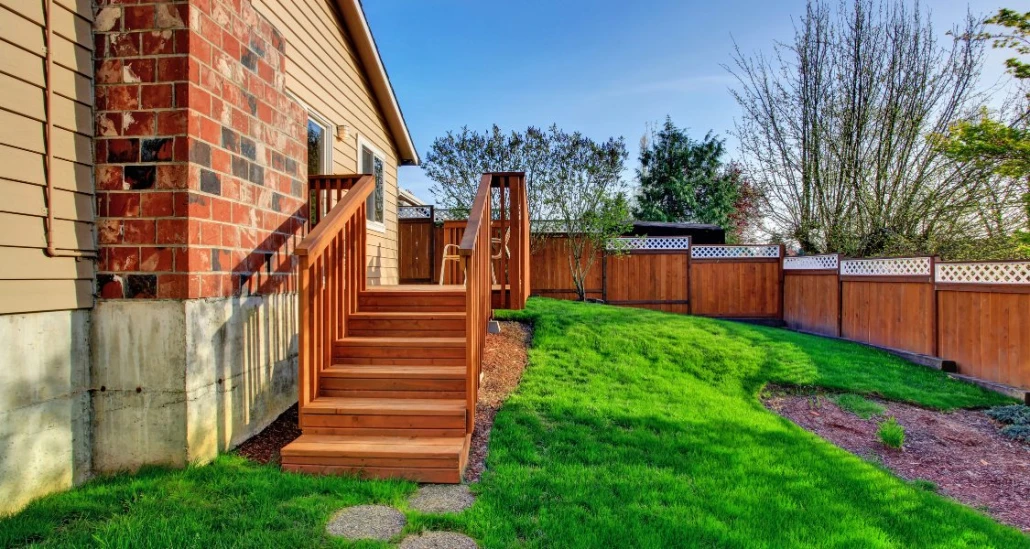
Before a fence contractor decides on the layout, height, or style, the first step is to understand how the ground rises and falls across the property. A slope is not always obvious from a quick walk through the yard. What appears to be a gentle incline may actually include several smaller elevation changes that affect the fence line in different ways. Contractors look closely at where the grade begins to shift, how sharply it shifts, and whether the slope remains consistent or changes direction along the run. This matters because a uniform slope can often be handled differently than a yard with dips, swales, retaining edges, or sudden drop-offs. Contractors may walk the line several times, sight along the proposed fence path, and compare high and low points to see how the finished fence would sit against the terrain. They are not only trying to understand the shape of the land. They are also trying to determine how that shape will influence panel alignment, post spacing, and the fence’s overall appearance. A good layout begins with reading the property correctly, because even a small misjudgment in slope can become much more noticeable once a long line of fencing is installed across the yard.
2. Measuring Slope Before Choosing the Fence Style
Once the grade has been observed, contractors move on to measurement because slope affects more than just appearance. It often determines whether the fence should be stepped, racked, or designed with another adjustment strategy. Measuring helps the contractor determine the elevation change in each section and whether that change can be absorbed gradually or must be broken into visible transitions. Contractors may use string lines, levels, transit tools, or other layout methods to identify how the fence path behaves from one end to the other. This allows them to see whether a panel system can follow the slope naturally or whether stepping the fence in sections will yield a cleaner, more stable result. The decision depends on the material, the fence design, and the amount of ground variation between posts. Homeowners exploring custom fencing solutions from F&W Fence Co. Inc. often find that slope evaluation is not simply about measuring height changes, but about understanding how those changes affect how the entire fence needs to be planned. A decorative fence, privacy fence, or ornamental installation may each respond differently to the same slope. Measuring the ground early prevents a design from being chosen first and forced awkwardly onto terrain that requires a different approach.
3. Looking Beyond Elevation Alone
A fence contractor also evaluates slope by considering factors beyond the land’s rise and fall. Soil stability matters because sloped areas may drain differently, shift more easily, or hold moisture in ways that affect post setting. A contractor looks for loose soil, erosion patterns, runoff channels, and areas where the ground may not provide consistent support along the entire fence line. In some yards, the slope may appear manageable at the surface while the underlying conditions create challenges for depth, anchoring, or long-term movement. Contractors also consider whether the slope changes near structures, landscaping features, gates, or property corners, since these points often require more precise transitions. Gate placement is especially important on sloped ground because a gate needs enough clearance to swing properly without dragging or leaving excessive gaps. Contractors may adjust the fence line slightly to accommodate the terrain better, particularly if a perfectly straight line would create unnecessary problems at key points. This stage of evaluation is about more than confirming that the yard is uneven. It is about understanding how the slope interacts with drainage, access, and structural support so that the finished fence performs well after installation, not just on the day it is built.
Why Slope Evaluation Matters So Much
A fence contractor evaluates the property slope before planning an installation because the ground affects nearly every major decision that follows. It influences fence style, post layout, panel treatment, gate placement, drainage considerations, and the project’s final appearance. What seems like a simple incline can create structural and visual problems if it is not measured and understood early. By reading the grade carefully, measuring elevation changes, and accounting for soil and layout conditions, contractors can build a fence that fits the land instead of fighting it. That early evaluation is what helps turn uneven ground into a fence plan that feels stable, functional, and visually well placed.