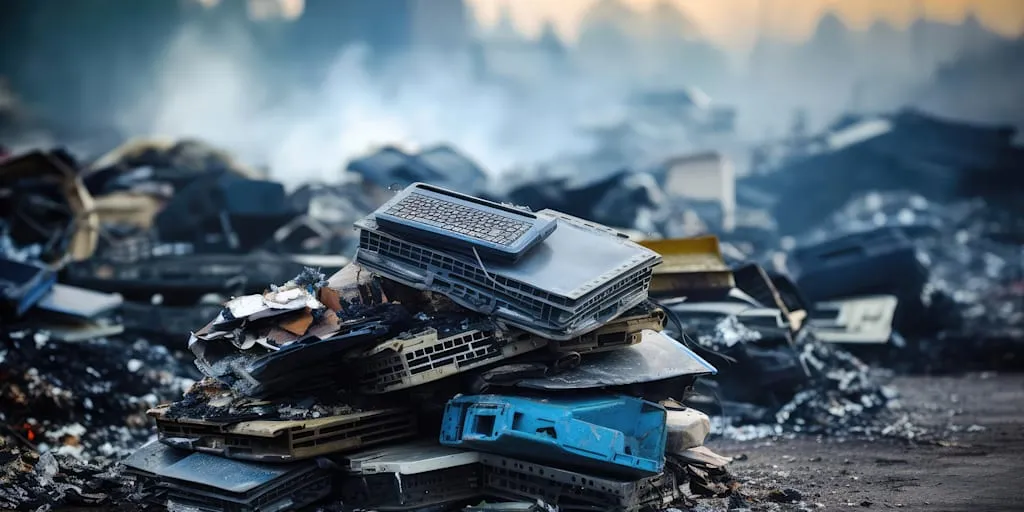
The Silent Health Crisis Caused by Electronic Waste
Most of us upgrade our phones every few years, replace laptops when they become sluggish, and simply discard old chargers in our drawers. But very few people consider what these devices do after they have broken down. An approved IT asset disposal service is able to handle the outdated electronics without subjecting anyone or the environment to toxic materials.
Electronic waste, or e-waste, is growing at a higher rate than any other form of household waste in the world. Although it is perceived as a problem for the environment, it is a health issue that should be taken seriously. Its effects are usually concealed, particularly in societies that were not the primary users of the devices in the beginning.
That is why many professionals refer to electronic waste as a silent health crisis today. It harms workers, family, and children unnoticed. The initial step which will assist to avoid further harm is to learn the risks.
What Is Electronic Waste?
Electronic waste refers to any device that has been discarded and uses electricity or a battery. Simply put, when it plugs in or charges and disposes of it, then it is probably e-waste.
Common Items That Become E-Waste
You may be surprised by how many everyday products fall into this category:
- Smartphones
- Laptops and desktop computers
- Tablets
- Televisions
- Printers
- Keyboards and mice
- Chargers and cables
- Batteries
Electronic waste is produced both at home and in business. There is constant replacement of equipment in schools, hospitals, and offices. As technology has advanced, they can get out of date with the help of old technology.
Why E-Waste Is Growing So Fast
There are several reasons for the rapid increase:
- Devices have shorter life spans.
- Software updates slow down older hardware.
- Consumers prefer newer models with better features.
- Repairs can cost more than replacement.
Around the globe, tens of millions of metric tons of e-waste are generated every year. Only a minor portion is, however, recycled in the right manner. The rest tends to find their way to landfills or informal recycling facilities.
What Makes Electronic Waste Dangerous?
At first, an outdated phone or laptop does not look threatening. Nevertheless, within every device, there is material that can be very harmful to health when not taken care of.
Toxic Substances Inside Devices
Many electronics contain:
- Lead: Distributed in the circuit boards, screens, and can cause damage to the nervous system and the brain.
- Mercury: It is employed in certain displays. It may damage the nervous system and kidneys.
- Cadmium: It is present in batteries. It may destroy the kidneys and lungs.
- Flame retardants: These are chemicals that are incorporated into plastics that can interfere with the hormones.
These materials are usually safe when they are enclosed in working devices. Issues begin when machines are destroyed, incinerated, or discarded in hazardous locations.
How These Toxins Spread
Informal recycling workers in many parts of the world also carry out another type of dismantling of electronics. They are able to burn wires to extract copper or use acid baths to extract precious metals.
As a result:
- Toxic fumes enter the air.
- Heavy metals seep into soil.
- Chemicals pollute the surrounding water.
These toxins are passed through the food chain. Crops in the soil absorb them. They are collected by fish in polluted water. After a period of time, people tend to consume contaminated water and food without their knowledge.
Environmental Impact of E-Waste
E-waste pollutes the environment. Electronic burning or dumping contaminates soil, rivers, and lakes with toxins such as lead, mercury, and cadmium. These chemicals are absorbed by wildlife and crops and may enter the food chain, compromising whole ecosystems.
Precautions to reduce environmental damage:
- Recycle in approved sites to ensure toxins are contained safely.
- Do not burn electronics to extract metals.
- Keep ancient devices locked up until they can be recycled.
- Adopt green products that can be disposed of naturally.
- Educate your community about the risks of mishandling e-waste.
Contamination can be avoided, and local ecosystems can be preserved through proper disposal habits and education about environmental and e-waste.
The Health Impact on Communities
The health risks linked to electronic waste are not theoretical. They have an impact on real communities.
Effects on Children
Children are particularly susceptible to toxic exposure. Their bodies are yet to mature. The slightest concentration of lead or mercury can have an impact on brain development.
In localities with extensive e-waste treatment, studies have revealed:
- Lower attention spans
- Learning difficulties
- Breathing problems
Since kids tend to play outside, they can be exposed to polluted soil and dust.
Effects on Workers
The daily exposure of informal recycling workers is a reality. Several do not have protective gear like masks or gloves.
As a result, workers may experience:
- Chronic coughing
- Skin irritation
- Headaches
- Long-term organ damage
In many cases, these workers depend on recycling as a source of income. However, they pay a hidden price through their health.
Long-Term Public Health Concerns
Over time, the population in and around dumping or burning sites may experience increased chronic disease rates. Exposure to heavy metals has been linked to:
- Kidney damage
- Respiratory illness
- Reproductive issues
These issues stretch local health systems and lower the quality of life.
Communities Affected by E-Waste
Certain regions of the globe are now hotspots of massive processing of electronic waste. In such regions, scientists have discovered dangerous amounts of soil and water pollution.
As an example, children residing close to informal recycling locations tend to exhibit higher levels of lead in their bodies. In other instances, the pollution is transferred beyond these locations into the neighboring communities and agricultural lands, exposing whole communities to risk.
The stories indicate that the effects of e-waste do not remain in one location but increase over time, reaching many more individuals and extending its reach across more spaces.
Why Responsible Disposal Matters
The problem is also severe, but it can be avoided. Health risks are significantly minimized by appropriate disposal and recycling measures.
The Role of Certified Recycling
Certified recycling facilities follow strict safety standards. They:
- Dismantle devices in controlled environments.
- Use protective equipment.
- Prevent toxins from entering the air and water.
- Recover valuable metals safely.
This approach safeguards workers and the local populations.
How Businesses Should Handle Old Equipment
Businesses generate large volumes of outdated electronics. Sensitive data is often stored on servers, office computers, and storage devices. Thus, organizations have to safeguard information as well as general health.
By engaging a professional IT asset disposal service, you are guaranteed a safe and responsible handling of the equipment. Certified providers adhere to environmental regulations, delete information safely, and ensure the absence of harmful substances in landfills.
With the help of an IT asset disposal service, organizations decrease the risk of litigation and promote safer recycling mechanisms.
What Individuals Can Do Today
While businesses play a large role, individuals also make a difference.
Here are practical steps anyone can take:
- Do not throw electronics in household trash.
Look for local recycling programs. - Use certified e-waste recycling centers.
Check your city’s waste management website. - Donate working devices.
Schools and charities may accept older electronics. - Extend device life.
Repair instead of replace when possible. - Buy durable products.
Choose brands known for longer life spans.
When many people take small actions, these actions lead to a decrease in the amount of hazardous waste that flows into unsafe systems.
A Preventable Health Crisis
E-wastes are not merely the by-products of contemporary existence. It is an emerging health concern. Hazardous chemicals within the discarded devices are capable of polluting brains, lungs, kidney and complete ecosystems.
However, the crisis is preventable. There are safe systems of recycling. Good business exemplifies responsible business. People are able to select superior disposal practices.
The next time you replace a phone or computer, consider where it will end up. Ethical disposal safeguards beyond the environment. It safeguards societies, employees, and generations to come.
The silent health crisis due to electronic waste needs to be met with awareness and action. Making educated decisions and having the right systems will allow us to mitigate the risks and create a healthier future.